Topstone Golf Course is a public par-72 course measuring approximately 6,549 yards from the tips. The course was originally designed in 1997 by Al Zikorus and is located in South Windsor, Connecticut.
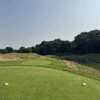
Topstone opened in 1997 as one of Albert Zikorus’s later works, completed the same year the architect passed away. The layout was named after Connecticut’s historic Topstone cigar brand that once flourished in the tobacco-growing region. The 18-hole facility represents one half parkland and one half carved from forested terrain, with the property straddling the South Windsor and East Windsor border. Holes 14 through 17 and the 18th tee actually cross into East Windsor before returning to finish. The course occupies approximately 150 acres of rolling Connecticut countryside with expansive views of the Hartford area and distant Berkshire foothills. Zikorus crafted a straightforward yet strategically sound routing that embraces natural topography, with fairways that flow through valleys and over hillocks, greens positioned on plateaus and elevated sites, and extensive use of mounding to frame corridors. Railroad tracks add industrial character between holes four and five. The design philosophy emphasizes clean lines over complexity, favoring variety in hole length and corridor width rather than elaborate features. Golfers who appreciate firm-and-fast conditions, well-defended push-up greens, and thoughtful bunkering will find Topstone engaging, while those seeking dramatic water features or extreme elevation changes may find the presentation more understated.
Strategic Test
| Handicap | Course Strategy |
|---|---|
| High Handicap (18+) | From the gold tees at 5,498 yards with a slope of 115 and rating of 65.8, high handicappers face a manageable yet challenging test that emphasizes accuracy over distance. The slope indicates less severe penalties for errant shots compared to longer tees, though greenside bunkering remains consistent throughout. Par threes average 173 yards and present reasonable targets, while two of the four par fives remain reachable with solid execution. The fifth hole, a par 5 playing approximately 495 yards from the gold markers, offers one of the most enjoyable experiences for this category. This hole bends gently uphill over undulating terrain toward a plateau green complex. The fairway corridor provides generous width for the tee shot, allowing players to focus on solid contact rather than precision placement. A second shot of 200 yards leaves a manageable approach, and while the green sits above grade with a central gaping bunker, the opening allows bump-and-run execution. The hole rewards patience and three quality strikes without overwhelming the player with forced carries or narrow landing zones. Club selection favors fairway woods off the tee and hybrids for approach work. |
| Mid Handicap (8-18) | The white tees at 6,199 yards present a slope of 121 and rating of 69.0, creating a balanced examination that tests every club in the bag. Mid-handicappers encounter meaningful decisions on dogleg holes where cutting corners requires risk assessment, and approach shots to elevated greens demand precise distance control. The absence of fairway bunkers shifts focus entirely to corridor management and green complex navigation. Scoring opportunities exist on shorter par fours, while the longer par fives at 507 and 520 yards require three-shot strategies. The 12th hole, a par 3 measuring approximately 167 yards from the white tees, exemplifies the strategic demands placed on this skill level. The hole plays downhill from an elevated tee to a green guarded by two frontal bunkers with wooded areas surrounding the putting surface. The visual from the tee box creates an intimidating carry, and the narrow opening between hazards requires committed execution. Club selection typically ranges from a six iron to a hybrid depending on wind conditions. Missing short leaves a difficult bunker recovery, while anything long finds trouble. The green slopes from back to front, so distance control becomes paramount. The hole epitomizes Zikorus’s approach of using simple but effective hazard placement to create tension. |
| Low Handicap (0-8) | From the blue tees at 6,549 yards with a slope of 124 and rating of 71.2, accomplished players confront a stern but fair challenge that rewards precision shotmaking and course management. The firmness and speed of the greens provide the primary defense, with many surfaces set on plateaus or above grade requiring aerial precision. Par fours range from drivable short holes to demanding 400-yard tests that dictate strategic tee shot positioning. The back nine’s hillier terrain and tighter corridors contrast with the more open front, creating variety in tactical approaches. Two par fives measure over 500 yards and present genuine three-shot propositions even for long hitters. The seventh hole, a par 4 playing approximately 415 yards from the championship tees, stands as the course’s signature examination. The hole demands three exceptional strikes to reach regulation. The tee shot must thread a narrow chute of trees immediately off the tee, requiring a dead-straight drive down the right-center of the fairway. The second shot plays to a green fronted by two massive bunkers, both deep-faced and requiring substantial carry. The green itself sits slightly elevated with firm conditions that resist anything but perfectly struck approaches. Distance control with mid-irons becomes critical, as the putting surface features subtle breaks and runs quick. The hole epitomizes strategic architecture where every shot carries consequence and where scrambling for par tests the complete skill set. |
Nearby Course Alternatives
Rolling Meadows Country Club in Ellington sits approximately 15 minutes northeast of Topstone and offers a compelling alternative for those seeking more dramatic elevation changes and panoramic vistas. This 1997 Al Zikorus design stretches to 6,818 yards from the tips with a slope of 128 and rating of 72.5, making it slightly more demanding than Topstone. The routing occupies roughly 160 acres of rolling farmland bordered not by suburban development but by open fields and agricultural parcels. The front nine presents a pleasant blend of parkland and semi-links characteristics with gently rolling terrain and open corridors, while the back nine climbs an imposing hillside that delivers spectacular views of the Connecticut Valley and the Berkshire Mountains to the north. Strategic variety emerges through the mix of forest-lined holes, open expanses, and elevated tee shots. Water comes into play sparingly, most notably on the third, a 195-yard par three where a pond protects the frontal approach. The course features over 30 bunkers including some of Connecticut’s better short par fours at the seventh and longer two-shotters at the 430-yard 12th that plays uphill from the tee then downhill to the green. The 18th presents a links-style finisher testing driving accuracy and wedge control. Players who prioritize scenic beauty, more pronounced topographical movement, and slightly tighter fairway corridors will gravitate toward Rolling Meadows over Topstone. The course particularly suits mid-to-low handicappers who appreciate risk-reward decisions on approach shots to elevated greens and who enjoy the visual drama that comes with hillside golf. The conditioning rivals Topstone’s reputation for excellence, with zoysia fairways providing tight lies and firm playing surfaces.
Manchester Country Club in Manchester provides another excellent public option approximately 20 minutes southwest of Topstone and represents a fascinating study in Golden Age architecture. At 6,339 yards from the championship tees with a slope of 128 and rating of 70.6, the course occupies approximately 120 acres and carries significant design pedigree through the contributions of Tom Bendelow and Devereux Emmet in 1917, with later redesign work by A.W. Tillinghast in 1935. The shorter overall yardage belies the strategic complexity embedded in the routing, where small, well-protected contoured greens and rolling fairways that utilize natural land character create a classic New England examination. The course features bent grass greens that run true and quick, and the layout emphasizes precision over power. Unlike Topstone’s post-1990s sensibility, Manchester delivers a more traditional aesthetic with tighter corridors, strategic bunkering that reflects Golden Age principles, and green complexes that reward creativity around the edges. The finishing hole, an uphill par three playing to a green near the clubhouse, ranks among Connecticut’s finest one-shotters. Players who value architectural history, compact routing that promotes walking, and the strategic demands of smaller targets will appreciate Manchester’s character. The course particularly appeals to mid-handicappers who can score well by playing position golf rather than relying on length, and to students of design who recognize the influence of three significant architects. The facility recently upgraded its practice area with an expanded driving range featuring 18 bays and improved short game facilities. While Topstone presents a more modern, wide-open challenge with emphasis on aerial approaches to plateau greens, Manchester offers tighter lies, more creative recovery options, and a window into early 20th century design philosophy.
Final Word
Topstone provides comprehensive practice facilities including putting greens and a chipping area, though full driving range services are available approximately one mile away at Willow Brook Golf Course. The clubhouse anchors the facility with a well-stocked pro shop carrying quality equipment and apparel, managed by a professional staff known throughout the Hartford area for exceptional customer service. The Grill Room serves lunch and dinner with a menu focused on classic clubhouse fare, offering both indoor dining and seasonal outdoor seating. A full-service banquet facility accommodates outings, tournaments, weddings, and corporate events, with the staff demonstrating particular expertise in tournament operations and large group management. The property maintains 5.5 miles of paved cart paths that ensure playability even during wet conditions, and the course’s exceptional drainage through sandy soils allows for year-round conditioning that rarely deteriorates. Pace of play remains reasonable with 10-minute tee time intervals, and the marshall system keeps rounds moving efficiently without creating pressure. The course closes seasonally from December through early spring. What makes Topstone special within Connecticut’s public golf landscape is its remarkable consistency of conditioning combined with strategic architecture that never overwhelms yet continuously engages. The firmness and speed of the greens, the quality of approach shot demands with plateau surfaces and push-up complexes, and the variety achieved through simple but effective design principles create a layout that rewards thoughtful play. Zikorus achieved something increasingly rare in modern public golf: a course that presents fair but meaningful challenges, maintains championship conditions throughout the season, and provides an enjoyable test for all skill levels without resorting to gimmicks or artificial difficulty. The combination of excellent turf management, professional staff, reasonable pace, and strategic design firmly establishes Topstone as one of Hartford County’s premier public facilities and a worthy example of late-career Zikorus architecture.

David is an avid golfer who loves walking Connecticut’s courses and playing alongside his family. He’s passionate about golf course architecture and one day hopes to play at Pebble Beach.