


Fairchild Wheeler Golf Course is a public 36-hole facility with the Black Course playing to par 71 and the Red Course to par 72, each measuring approximately 6,450 yards from the tips. The courses were originally designed in 1934 by Robert W. White and are located in Fairfield, Connecticut.
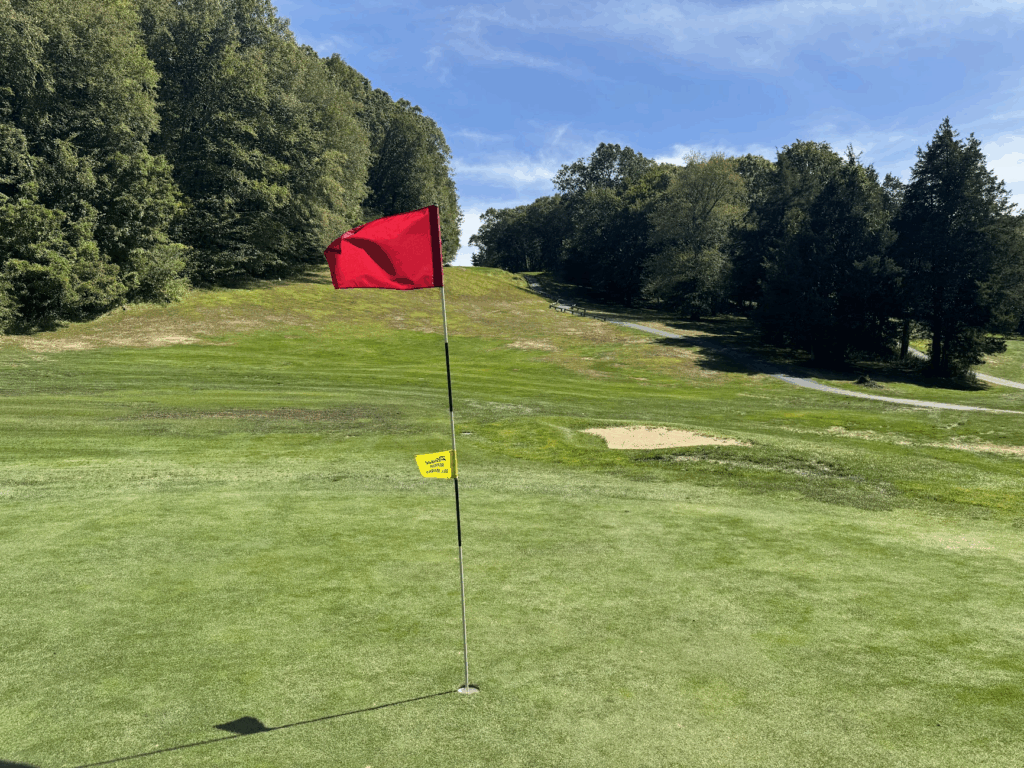
Fairchild Wheeler represents one of Connecticut’s most historically significant public golf facilities, conceived during the depths of the Great Depression as a Works Progress Administration project that employed over 1,000 unemployed workers to clear rocky farmland and transform the former Wheeler family paper mill property into New England’s first 36-hole municipal golf course. Robert W. White, the first president of the PGA of America and founding member of the American Society of Golf Course Architects, brought his agronomic expertise and democratic design philosophy to create accessible championship golf for the public. The property is owned by the City of Bridgeport but located in Fairfield, creating an unusual jurisdictional arrangement that has influenced the facility’s management and investment over the decades. White originally conceived the property as four distinct nine-hole courses that could be combined in various configurations, though today it operates as two traditional 18-hole layouts distinguished by the Black and Red nomenclature. The facility experienced periods of neglect in the 1990s and early 2000s, but recent stewardship has brought renewed attention to course conditioning and infrastructure. Between 2023 and 2024, architect Mark Mungeam oversaw comprehensive bunker renovations that restored strategic intent while modernizing drainage and sand quality, with work focusing initially on the Black Course holes 10-16 and 18 before expanding to additional areas. The bunker project represents the most significant architectural intervention since the original construction, carefully balancing historical preservation with contemporary playability standards. The facility maintains year-round operations, distinguishing it from many Fairfield County courses that close greens seasonally, creating a unique winter golf culture that attracts dedicated players throughout Connecticut’s shoulder seasons. Both courses feature rye grass greens rather than the bent grass common at premium facilities, a practical choice given the municipal budget constraints and heavy play volume the facility accommodates. Future renovation discussions have centered on tee box reconstruction, irrigation system upgrades, and potential tree management to restore strategic sight lines that have been obscured by decades of growth.
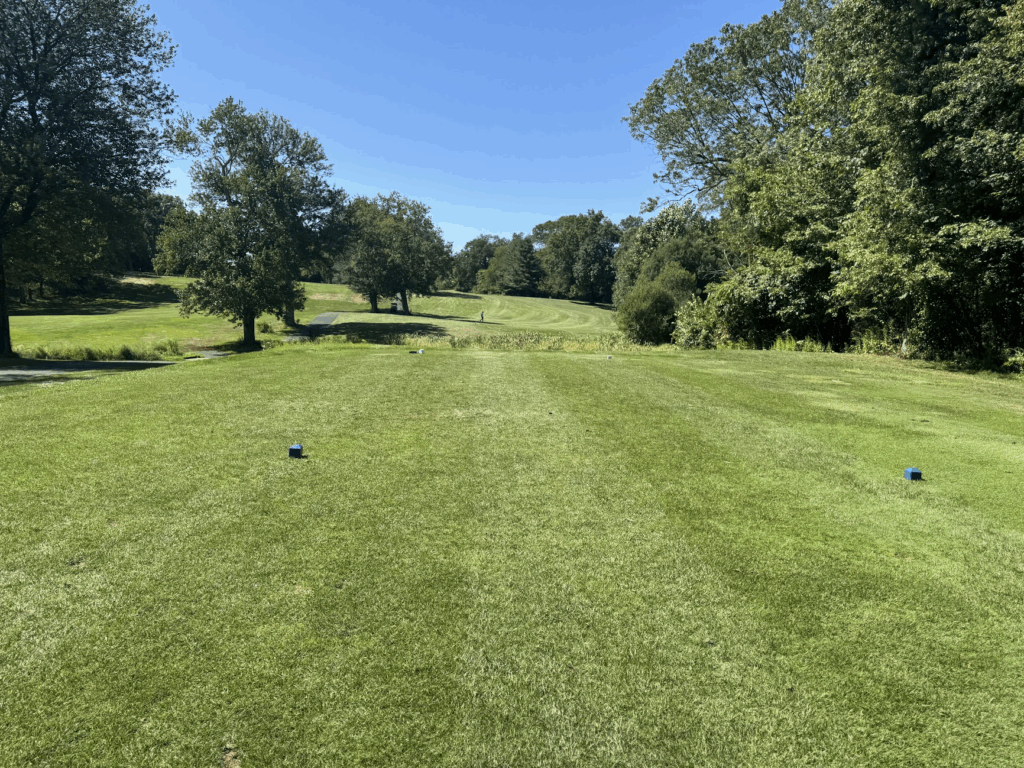
Sprawling across roughly 280 acres of rolling Connecticut piedmont terrain, Fairchild Wheeler presents two dramatically different design philosophies on a single property that reflects both White’s original vision and subsequent evolution through heavy public use. I found myself drawn to the Black Course’s hillside routing, which exploits natural elevation with strategic purpose—constant movement up and down the property’s contours creates a rhythmic challenge where drive positioning determines approach difficulty and green complexes reward precise angle management. The Black Course occupies the more dramatic topography, featuring pronounced elevation changes, tree-lined corridors that frame strategic decisions, and green sites positioned to maximize natural terrain advantages. White’s Depression-era routing philosophy emphasized walking efficiency within challenging terrain, though modern cart dependence has shifted how most players experience these transitions. The Red Course occupies flatter terrain with a more straightforward, driver-friendly character that prioritizes width and accessibility over strategic complexity, though the opening and closing holes on each nine introduce significant elevation that creates memorable bookend moments. The property’s Connecticut woodland character comes through in mature tree canopy, understory vegetation, and seasonal color transitions, though power line corridors and visible industrial infrastructure remind players of the developed setting. Players seeking thoughtful shotmaking, varied shot shapes, and strategic architecture will gravitate toward the Black Course’s intellectual demands and dramatic Long Island Sound views from elevated tees. Those prioritizing ease of play, scoring opportunities through generous landing areas, and faster pace will appreciate the Red Course’s forgiving corridors and three back-nine par 5s that create realistic birdie chances. The facility serves serious golfers wanting a strategic home course for repeated play, recreational foursomes requiring accessible design, junior programs through First Tee partnerships, and winter golf enthusiasts taking advantage of the year-round operations that maintain full greens when competitors close.
Walkability
The Black Course presents significant walkability challenges due to its aggressive use of elevation. This hillside routing constantly moves golfers up and down the property’s natural contours, with several transitions between holes demanding cardiovascular commitment. The opening stretch establishes this pattern immediately, and by the time players reach the mid-section around holes 4-8, the terrain has declared its intentions. Black Course hole 4 climbs upward from the tee, forcing golfers to earn their approach angle through elevation gain. The walk from the Black Course 7th green to the 8th tee continues this theme—players have just finished a lovely downhill par 3 that plays shorter than its 221-yard card distance, only to face an uphill grind on the 423-yard 8th, a par 4 that feels every bit of its #5 handicap rating when walking. Reviews consistently emphasize that carts are strongly recommended due to varied terrain, with multiple players noting the course features beautiful winding hills but requires mechanical assistance to maintain reasonable pace.
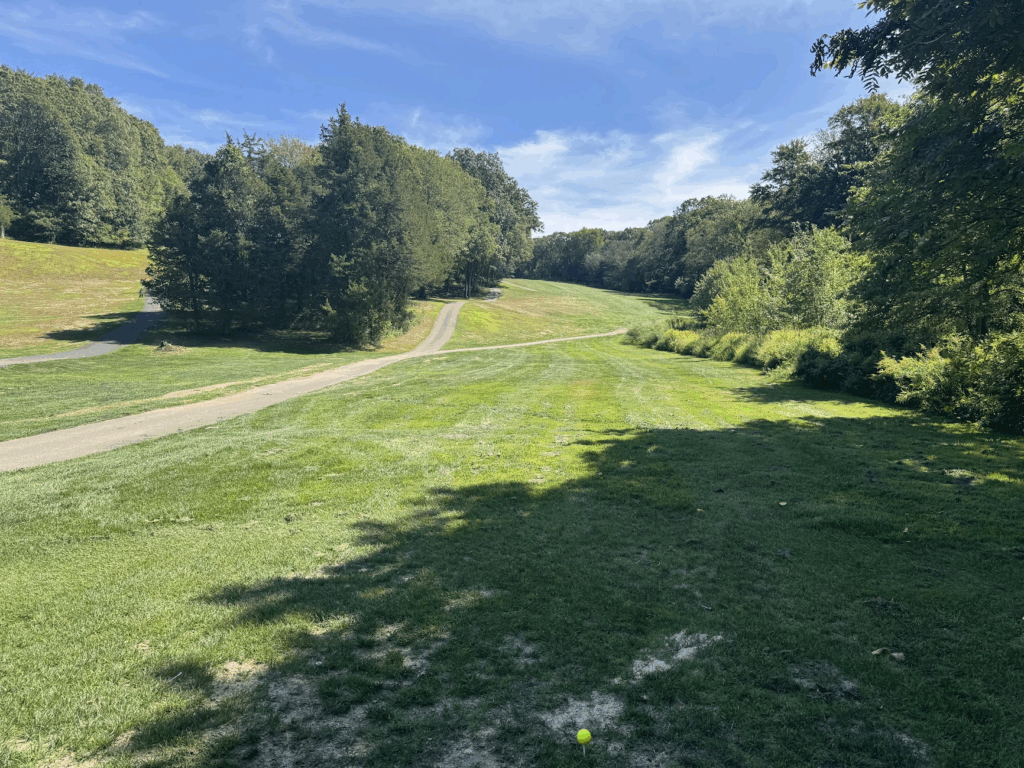
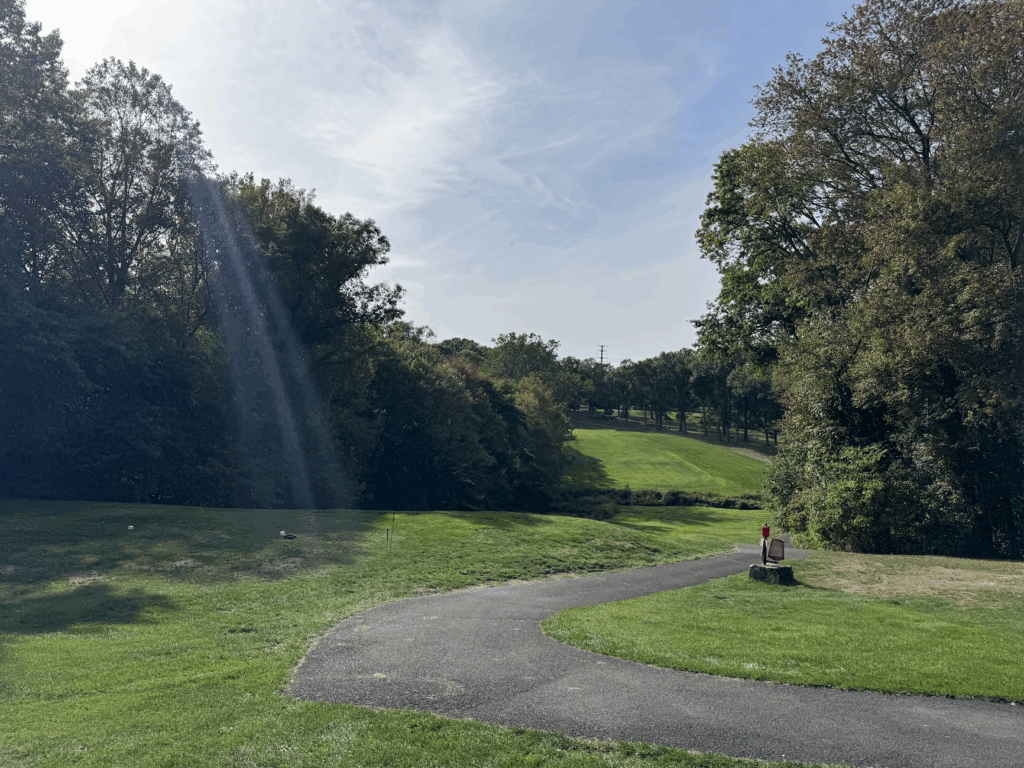
The most unusual routing quirk appears on the Black Course 2nd hole, where a blind tee shot necessitates a bell system—the group ahead rings to signal they’ve cleared the landing area. This safety feature adds time but speaks to the dramatic terrain shifts that define the Black’s character. From the Black Course 10th tee, players are rewarded with distant Long Island Sound views, standing on one of the property’s highest points. The walk down from this elevated tee and the subsequent return uphill on Black Course hole 16 to an elevated green exemplifies the course’s vertical ambitions. Black Course hole 13 delivers another dramatic elevation moment—an elevated tee requiring a 230-yard forced carry to a fairway below, with the approach playing back uphill to a well-defended green complex. The finishing Black Course hole 18 plays uphill, leaving many golfers ready to collapse in Vazzy’s 19th Hole rather than contemplate another nine. Despite these elevation demands, Golf Digest panelists praised the property as having great land with fun routing, suggesting the transitions flow naturally within the hillside terrain rather than fighting it arbitrarily. The routing takes advantage of topography to create strategic interest rather than imposing elevation for its own sake, though the cumulative effect tests walking stamina severely.
The Red Course offers better walkability for roughly 70% of the round, but front-loads and back-loads its challenges in a peculiar pattern. Web reviews specifically note that both nines on the Red begin and end with steep elevation changes while the holes in between are relatively flat. Red Course hole 1 immediately tests resolve with a steep uphill opener—a questionable design choice for a course ostensibly built for accessibility. Players battle elevation again on the Red Course 9th, a dramatic dogleg left that drops significantly from tee to green with a creek positioned 165 yards from the tee box, though the downhill trajectory makes club selection deceiving. The middle section of each nine flattens out considerably, providing merciful relief and faster pace, with one evening player reporting a lovely walk on the Red Course front nine. Then Red Course hole 10 returns to elevation challenges before the back nine settles into flatter terrain until Red Course hole 18 closes with another uphill finale. The flat sections expose players to persistent wind across open terrain, with reviews noting that wind is the main variable to keep in mind atop the flat plain. This creates a different walking challenge—mental rather than physical—as exposed conditions test club selection and ball flight control. Overall, the Red walks easier than the Black for the majority of holes, but those bookend elevation moments shouldn’t be underestimated, particularly for players expecting uniformly gentle terrain on the easier course.
Strategic Test
The Black Course demands constant strategic recalibration. White’s routing forces players to manufacture different shot shapes based on hole orientation and green complex angles. Black Course hole 12, a 359-yard dogleg left, requires a draw off the tee or comfortable aim-left play to access the optimal approach angle. Missing right off the tee results in tree corridor blockage, forcing a punch out rather than attack. Black Course hole 14 reverses this demand, rewarding a drawn hybrid or fairway wood on its short 327-yard length—the aggressive line requires commitment to that right-to-left shape. The Black Course 18th hole punishes anyone unable to produce a fade, with reviewers noting the uphill approach from a push-fade position leaves a dramatically easier angle than the hooked ball that rolls left into trouble. This architectural principle—using natural and manufactured features to reward specific shot shapes—elevates the Black beyond mere target golf. Web reviews emphasize the importance of positioning, noting that players must position their ball on certain parts of the fairway or risk losing 20-50 yards due to slopes, and hilly terrain punishes wayward shots severely.
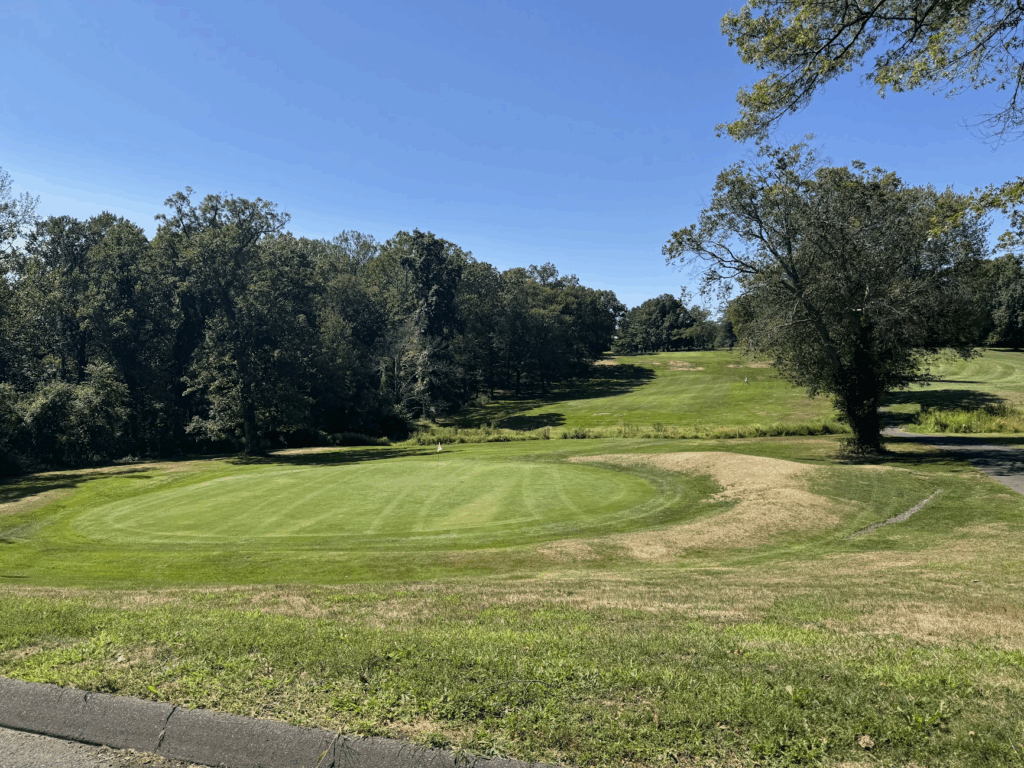
The Black Course hole 13 breakdown reveals the course’s strategic centerpiece and most compelling risk-reward proposition. This 424-yard par 4 plays from an elevated tee with a forced carry of approximately 230 yards to reach the fairway safely below. Reviews consistently identify this as a favorite hole, with detailed local analysis noting the elevated tee box requiring a substantial carry to reach optimal position.
- Bold strategy: The long hitter pulls driver, aims at the left-center of the fairway, and commits to the full carry. If executed properly with a slight draw, the player is left with 150-170 yards to a receptive green from the preferred angle. From this position, a 7 or 8-iron allows working the ball into the green’s contours, attacking back-left pins. The aggressive play yields legitimate birdie chances—this hole ranks as the #2 handicap, suggesting scoring opportunities exist for those who execute properly—but demands precise distance control on the tee ball. Coming up short results in hazard, while overcutting right finds trees.
- Safe strategy: The conservative player hits 3-wood or long iron, intentionally laying back to 200-210 off the tee for guaranteed fairway position. This leaves a longer approach of 190-210 yards, likely requiring a 4 or 5-iron into a green that doesn’t receive long irons kindly. From this position, the player aims for the middle of the green regardless of pin position, accepting par and moving on. The strategic penalty for safety here isn’t severe—no strokes are added, just the realistic birdie chance is removed. This represents excellent strategic architecture: rewarding boldness with scoring opportunity while not punishing conservative play with bogey likelihood.
The Black Course’s strategic variety extends to club selection philosophy that shifts hole-to-hole. Black Course hole 5 explicitly demands leaving driver in the bag according to local player strategy—aggressive play creates more problems than it solves on this tighter, shorter par 4 where position matters more than distance. Then immediately on Black Course hole 6, a 445-yard brute ranked #1 handicap, players need every yard of driver distance, with local advice emphasizing maximum aggression. This whipsaw effect—strategic restraint followed by maximum aggression—prevents rhythmic, repetitive play. Black Course hole 10 tempts with its dramatic Sound views and wide fairway, but left-side fairway bunkers positioned at typical driver distance create a centerline hazard requiring either perfect execution or strategic layback. The recently renovated bunkers throughout, designed by Mark Mungeam in 2023-2024, enhance visual intimidation while adding genuine strategic consequences—the bright sand catches the eye and forces more precise tee ball planning, with reviews praising the excellent sand quality post-renovation. Alternative approaches exist based on drive placement, as the hillside routing creates multiple angles into greens—a shot from an uphill lie plays completely differently than the same yardage from flat or downhill terrain. The course rewards players who think multiple shots ahead, understanding how drive position dictates approach angles and how green contours receive different shot trajectories. This isn’t power golf or precision target golf exclusively—it’s thinking person’s golf where strategy compounds across multiple shots.
Playability
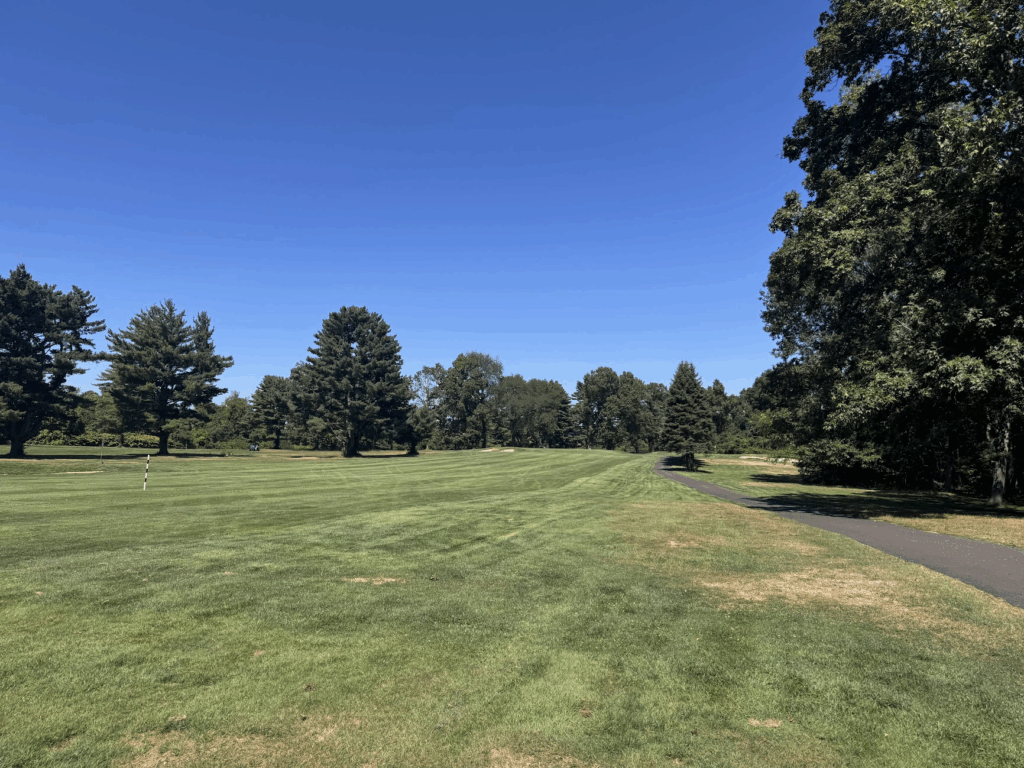
The Red Course serves high-handicap players considerably better than its hillside sibling. The fundamental design philosophy here prioritizes width over penal architecture, with seven or more holes inviting driver off the tee into generous landing areas. Where the Black Course narrows corridors with trees and strategic angles, the Red Course opens them up, reducing the penalty for wayward drives. Reviews emphasize long, wide fairways with challenging length but forgiving tee shots. A 15-handicapper can miss fairways by 15-20 yards and still have a clear shot to the green on most holes. The course designer understood that recreational players need forgiveness off the tee to maintain pace and enjoyment, and the Red Course delivers this consistently through its middle sections. The trade-off comes at the greens—tough putting surfaces that make most golfers double and triple check breaks, according to reviews. These small, quick greens provide the course’s primary challenge. Players can succeed off the tee with less-than-perfect drives, but approach shot distance control and putting become critical. This creates an interesting balance: forgiving on the way to the green, demanding once arriving.
With a slope rating of 124 from the middle tees and course rating of 71.0, the Red Course sits squarely in the challenging but fair for average players range. For context: a 10-handicap should shoot around 81 on an average day, a 20-handicap around 91, and a 30-handicap around 101. These aren’t intimidating numbers for recreational players, especially given the wide fairways and three par 5s on the back nine—Red Course holes 10, 17, 18—that offer realistic birdie chances. The Black Course plays slightly tougher with a slope of 126-128 and rating of 71.7, though the difference appears modest on paper—the real difficulty gap emerges in the tighter corridors and forced strategic decisions rather than raw numbers. The shortest hole, Red Course hole 12 at just 111 yards, provides another clear scoring opportunity even for high-handicappers—though the small, elevated green demands accurate distance control that can humble anyone. The long par 4s on the Red—Red Course hole 6 at 417 yards ranked #1 handicap and Red Course hole 13 at 425 yards ranked #2 handicap—will challenge higher handicappers’ distance capabilities, but the generous fairways mean players can advance the ball in three reasonable shots without disaster. This differs dramatically from the Black Course’s tighter corridors where a pushed drive on a long par 4 means pitching out sideways rather than advancing toward the green.
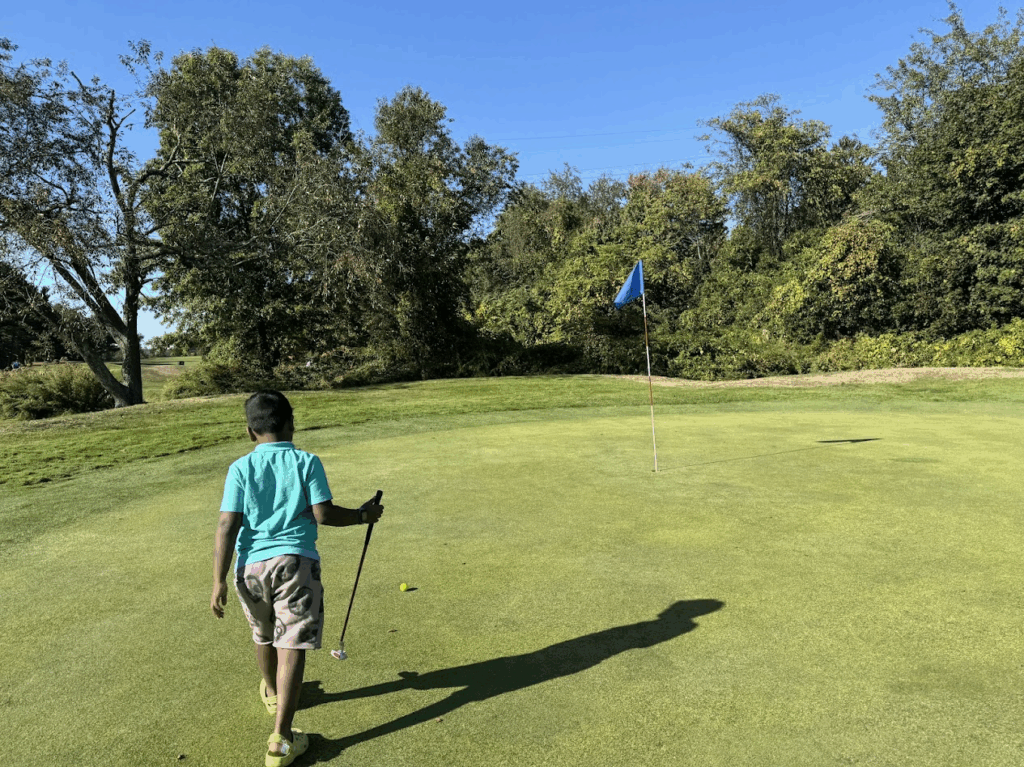
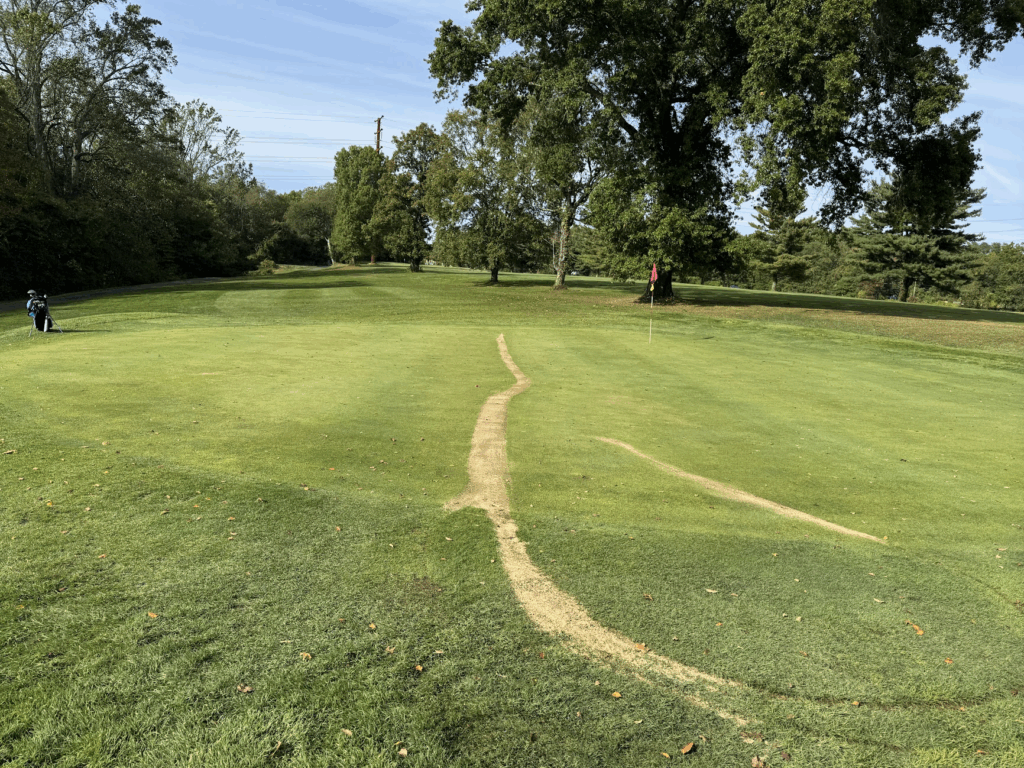
Red Course hole 12 exemplifies high-handicap-friendly architecture despite its quirks. At 111 yards, this short par 3 removes the distance anxiety that plagues many recreational players on longer one-shotters. The green sits slightly elevated, providing a clear visual target, and while it’s small and contoured, the short distance means most players are hitting comfortable wedges rather than uncertain long irons. The psychological benefit here can’t be overstated—high-handicappers standing on this tee actually believe they can make par, and that confidence tends to produce better swings. The hole occasionally backs up with slower groups, but that’s partly because even struggling players take the time to finish properly rather than picking up in frustration. The surrounding area offers reasonable recovery options for mishits, unlike some short par 3s that surround the green with severe penalties. This represents thoughtful design for the intended audience: challenge without cruelty, difficulty without unfairness. The Red Course consistently applies this philosophy, making it the clear choice for recreational foursomes, corporate outings, and families introducing new players to the game. However, condition concerns detract from the experience—multiple reviews specifically cite tee box issues on the Red Course, with one noting severely torn up dirt tee boxes that undermine the accessibility message the design attempts to convey.
Atmosphere
The Black Course’s atmosphere builds through a combination of natural beauty, strategic intrigue, and memorable elevated moments that separate it from typical municipal fare. The hillside routing creates intimate, enclosed corridors on some holes while opening dramatic vistas on others—this variety keeps the visual experience engaging throughout the round. Players are never quite sure what awaits around the next corner, which generates anticipation absent from more predictable flat-land designs. The tree-lined fairways create definition without feeling claustrophobic, and the natural Connecticut woodland character comes through in the understory vegetation and seasonal color changes. Recent bunker renovations enhanced the visual appeal significantly, with bright white sand and clean lines that photograph beautifully while signaling strategic danger. Reviews note the course offers beautiful winding hills and great scenic views throughout. The course maintains a serious golfing atmosphere—this isn’t a casual track where nobody keeps score. Players here are engaged with the strategic challenge, reading angles, discussing club selection, genuinely competing against the course and themselves. The facility’s year-round operations create unique ambiance during shoulder seasons, with Golf Digest noting it as one of the few courses in Fairfield County to stay open with full greens much of the year, creating a great winter golf scene.

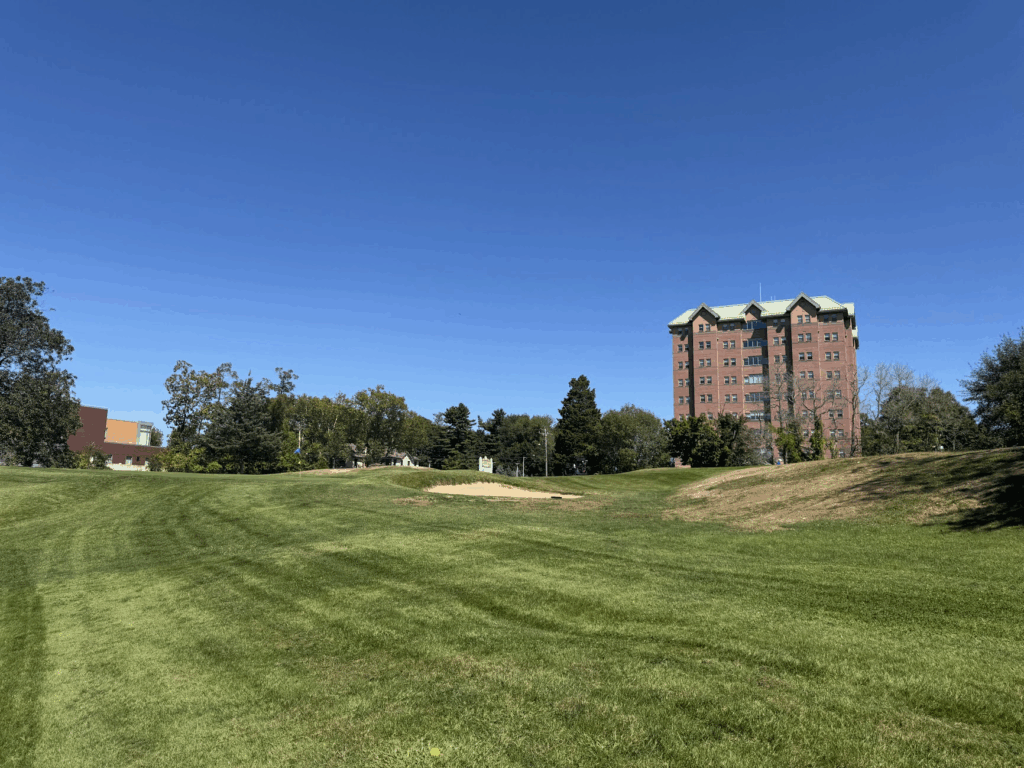
The standout atmospheric moment arrives on Red Course hole 9, despite that course’s generally more prosaic character. This 536-yard par 5 dogleg left drops significantly from an elevated tee, with a creek positioned approximately 165 yards out. The downhill trajectory compresses distance perception—what looks like an easy carry becomes psychologically menacing when accounting for the elevation drop potentially bringing a pulled shot into the hazard. Standing on that tee, players are forced to commit to a line and trust their swing, knowing the consequences of indecision. The hole bends left around the dogleg with the creek continuing to threaten the aggressive second shot, while the green sits well below the fairway level, requiring precise distance control on the approach. The elevation change throughout creates a sense of journey—players start high with expansive views, descend through the landing area and fairway, then finish at the green feeling they’ve traversed genuine terrain rather than walked across a field. This kind of topographical drama elevates the hole beyond its strategic merits into memorable golfing theater. The combination of visual drama, genuine strategic challenge, and emotional resonance makes this a favorite hole on the property.
Black Course hole 7 delivers atmospheric excellence through pure elevation play on a par 3. At 221 yards from the tips with shorter plays from forward tees, this long one-shotter features a pronounced downhill trajectory that alters club selection by 2-3 clubs depending on wind and pin position. The tee shot plays from an exposed, elevated position where players are vulnerable to wind—there’s a sensation of being on stage that focuses concentration. The downhill flight path creates visual drama as players watch their ball descend toward the green, hopefully arriving softly despite the long carry. Local reviews identify this as part of a very tough stretch of holes, with groups occasionally backing up on the difficult par 3. The green complex sits in a more protected bowl, contrasting with the exposed tee. Unfortunately, the tee box lacks adequate tree protection from the adjacent Black Course fairway, creating a safety concern when players hook drives from that adjacent hole—this design flaw mars what should be a pure atmospheric highlight. Despite this weakness, the hole’s elevation drama and shot values make it memorable. The immediate contrast with the uphill grind of Black Course hole 8 that follows creates strategic and atmospheric whiplash that defines the Black Course’s character: relentless terrain variety forcing constant adjustment. Black Course hole 17 earns praise as the prettiest hole on both courses—a beautiful par 3 hitting over tall cattail—adding another memorable visual moment to the closing stretch.
Nearby Course Alternatives
H. Smith Richardson Golf Course in Fairfield, located approximately 15 minutes southwest, provides the most direct comparison to Fairchild Wheeler within the immediate area. Richardson’s par 71 layout stretches to 6,404 yards from the tips with a slope rating of 130 and course rating of 71.8, playing slightly shorter but considerably more difficult than either Fairchild Wheeler course. The course occupies roughly 165 acres of even more dramatic elevation than Fairchild Wheeler’s Black Course, with constant uphill and downhill holes creating a cardiovascular test that makes Fairchild Wheeler seem gentle by comparison. Richardson’s signature characteristic involves bent grass greens rather than Fairchild Wheeler’s rye grass, providing faster, truer putting surfaces that appeal to accomplished players seeking premium conditioning. The Orrin Smith design lacks the historical pedigree of Robert White’s Depression-era work but delivers more consistent modern conditioning and strategic coherence across all eighteen holes. Richardson’s reputation ranks it among Fairfield County’s elite public options, though tee time availability runs tighter than Fairchild Wheeler’s walk-up accessibility. Players who prioritize conditioning consistency, bent grass greens, and don’t mind more restrictive booking requirements will prefer Richardson, while those seeking better spontaneous availability and 36-hole variety should choose Fairchild Wheeler. The Black Course matches Richardson’s strategic interest and elevation drama while offering the added benefit of the Red Course alternative for variety.
Richter Park Golf Course in Danbury, approximately 35 minutes northeast, represents Connecticut’s pinnacle of municipal golf and serves as the aspirational benchmark against which all public courses measure themselves. This par 72 championship layout extends to 6,741 yards from the tips with a slope rating of 134 and course rating of 73.3, playing substantially longer and more difficult than Fairchild Wheeler’s offerings. Edward Ryder’s 1971 design sprawls across 185 acres of rolling terrain, though with less severe elevation than Fairchild Wheeler’s Black Course—the challenge here comes from length, water hazards on twelve holes, strategic bunkering, and immaculate bent grass playing surfaces maintained to near-private club standards. Richter Park’s reputation as Connecticut’s best public course brings intense demand, with tee times requiring advance booking well ahead of play dates. The course rewards power players who can carry hazards and reach par 5s in two, contrasting with Fairchild Wheeler’s more strategic, position-oriented philosophy where shorter hitters can compete through intelligence. Richter Park’s modern championship design philosophy emphasizes tournament-ready conditions and parallel fairway routing that lacks the quirky, terrain-dictated character of White’s Depression-era work. Players seeking consistent championship conditioning, bent grass greens, longer yardage, and don’t mind the drive or advance planning requirements will prefer Richter Park. Those valuing strategic variety over pure length, preferring walkable nine-hole loops, appreciating historical architecture, and wanting more spontaneous tee time access should choose Fairchild Wheeler’s Black Course. The Red Course doesn’t compete in this comparison—it serves a different recreational audience entirely.
Final Word
The facility offers full-service practice areas including driving range, putting green, and short game practice areas serving both courses. Vazzy’s 19th Hole provides clubhouse dining and beverage service with casual, welcoming atmosphere reflecting municipal character—no pretense, reasonable pricing, and regulars-heavy crowd creating genuine community feel. The pro shop stocks essential equipment and apparel without overwhelming selection, focusing on practical needs rather than premium retail experience. First Tee programs operate from the facility, providing junior instruction introducing young players to the game through structured programming. The facility hosts PGA Junior Golf Camps during summer months, leveraging the two-course setup to accommodate varying skill levels simultaneously. These amenities complement golf experiences without attempting to compete with country club luxury, staying true to accessible public golf missions that have defined Fairchild Wheeler since Depression-era origins.
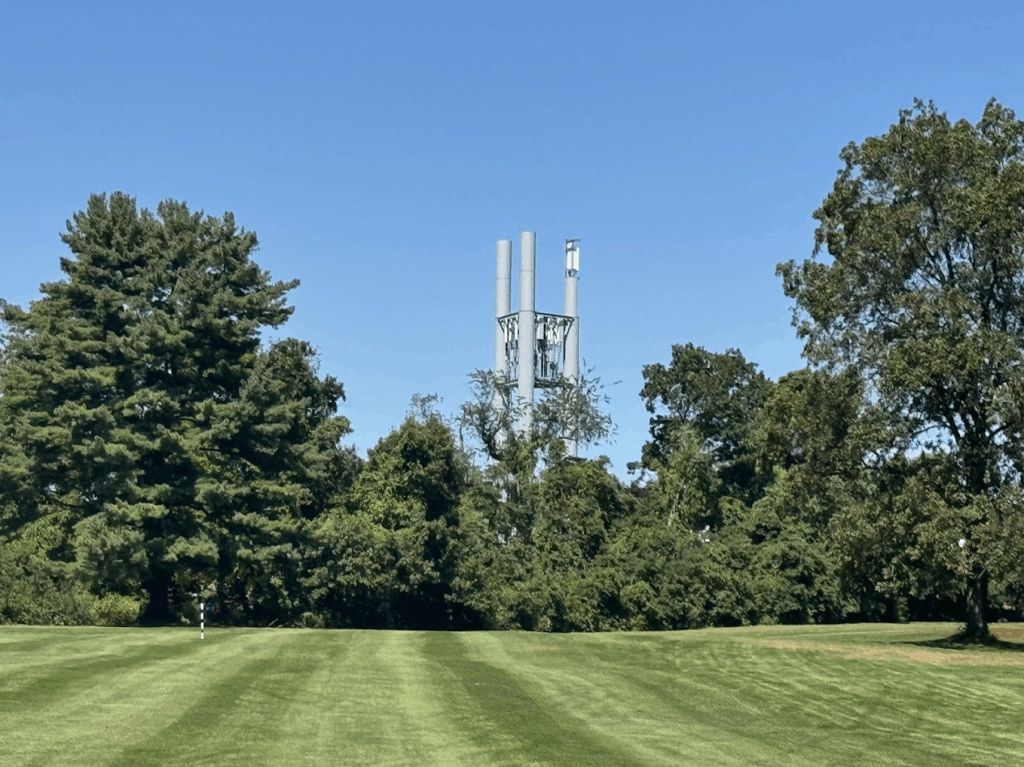
When considering regional alternatives like H. Smith Richardson’s superior conditioning or Richter Park’s championship pedigree, Fairchild Wheeler distinguishes itself through two distinct 18-hole experiences, easier tee time access, and genuine architectural merit on the Black Course holding its own against far more manicured options. I play Fairchild Wheeler regularly when off work, and it’s become my default venue for solo rounds in late morning or early afternoon when I need to decompress and work on my game. The tee sheet accessibility for walk-ups makes this remarkably convenient—I can decide at 10:30am to play nine holes and be teeing off by 11:00 without drama. This operational efficiency matters enormously for working golfers who can’t commit to weekend tee times weeks in advance. The Black Course has earned genuine affection through repeated play, revealing strategic nuances that aren’t apparent in single rounds. I lose balls with frustrating regularity on the Black—hillside terrain and strategic angles punish imprecision relentlessly—but that’s precisely what separates good architecture from mere acreage. What makes Fairchild Wheeler special isn’t any single element but rather the synthesis of historical significance, architectural pedigree, dual-course variety, and spontaneous accessibility in a region where advance planning typically dominates. Robert White’s Depression-era vision of democratic, accessible championship golf remains relevant nearly a century later, proving that thoughtful design transcends era and budget. Recent bunker renovations demonstrate intelligent stewardship—modernizing playability while respecting historical character rather than chasing contemporary trends that quickly date. Despite infrastructure quirks like persistent power lines, visible water tower and industrial structures, frustrating cart GPS systems lacking yardage and triggering speed restrictions prematurely, and conditioning inconsistencies particularly on Red Course tee boxes, I keep returning because core golf experience delivers authentic strategic challenge with remarkable convenience.

David is an avid golfer who loves walking Connecticut’s courses and playing alongside his family. He’s passionate about golf course architecture and one day hopes to play at Pebble Beach.





Underrated course. Hole 9 on red is my favorite.