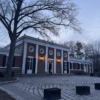
Rolling Hills Country Club is a private par-71 course measuring approximately 6,737 yards from the tips. The course was originally designed in 1960 by Alfred H. Tull and is located in Wilton, Connecticut.
Rolling Hills Country Club was founded in 1960 by a group of members from Longshore Country Club in Westport after the Town of Westport purchased that facility and converted it to public access. These golfers sought a private country club environment to serve residents of Wilton, Westport, Weston, and Norwalk, as well as New York City weekenders who maintained homes in Fairfield County. The property was acquired from Ambler Farm, and the rocky, hilly landscape presented significant construction challenges during the early 1960s, with golfers famously carrying buckets during rounds to clear stones from the emerging fairways. The first nine holes opened in 1962, with the full eighteen completed shortly thereafter, and the club formally celebrated its 50th anniversary in 2011, the same year it received the Distinguished Club Award from the Connecticut State Golf Association. Roger Rulewich undertook a comprehensive renovation in 2002, followed by Tripp Davis conducting bunker renovations in 2016 and again in 2023. The course occupies approximately 160 wooded acres of classic southern Connecticut topography, featuring pronounced elevation changes, mature tree corridors, and rolling terrain that defines the strategic character of the layout. The routing philosophy reflects mid-century design sensibilities with natural corridor framing and topographical variety that rewards placement over power. Players who appreciate thoughtful course management, precise iron play to elevated and undulating greens, and strategic decision-making on tee shots will find Rolling Hills particularly engaging.
Strategic Test
| Handicap | Course Strategy |
|---|---|
| High Handicap (18+) | From the Silver tees at 5,454 yards with a slope of 128 and rating of 68.1, the course presents a manageable examination that emphasizes accuracy over distance. The elevation changes can affect club selection significantly, particularly on approach shots where an extra club may be required on uphill holes. The fourth hole, a par 4 measuring approximately 340 yards from the Silver tees, serves as the signature hole where the tee sits atop a hill offering panoramic views of the surrounding landscape. This downhill tee shot rewards those who can navigate the tree-lined corridor, with a mid-iron or hybrid off the tee followed by a short iron or wedge into the green, though the elevated putting surface and right-to-left sloping fairway demand precision on the second shot. |
| Mid Handicap (8-18) | The White tees at 6,019 yards with a slope of 136 and rating of 70.8 provide an appropriate challenge that tests all aspects of the game while remaining accessible. The slope rating indicates that the course plays more difficult than its yardage suggests, primarily due to the narrow tree-lined corridors, elevated greens, and strategic bunkering throughout. The tenth hole, a par 4 measuring approximately 360 yards from the White tees, exemplifies the course’s demand for accurate positioning, as the tree-lined fairway requires a controlled drive that favors the right side to account for the right-to-left sloping terrain, followed by a mid-iron approach to a front-to-back sloping green where the second shot must be played to the front third for optimal birdie opportunity. |
| Low Handicap (0-8) | From the Black tees at 6,777 yards with a formidable slope of 139 and rating of 73.3, Rolling Hills presents one of the most challenging tests in Fairfield County, ranking among the top ten most difficult courses in Connecticut based on course rating. The high slope rating reflects the precision required off the tee, the demanding approaches to small elevated greens with significant internal contouring, and the premium placed on strategic positioning throughout the round. The seventeenth hole, a par 5 measuring 493 yards from the championship tees, demands three precise shots with the tee shot requiring left-side positioning to open the approach angle, followed by a long iron or hybrid layup to approximately 120 yards, and finally an uphill wedge that plays at least one club longer due to elevation gain, where misjudging the approach leaves difficult two-putt opportunities on the undulating putting surface. |
Nearby Course Alternatives
Aspetuck Valley Country Club in Weston, approximately five minutes west of Rolling Hills, offers a compelling alternative for those seeking a similarly challenging private club experience with distinct architectural character. Measuring 6,594 yards from the tips with a par of 71, slope of 129, and rating of 73.7, Aspetuck Valley presents a slightly shorter but equally demanding examination designed by Hal C. Purdy in 1967, with comprehensive renovations undertaken by Lester George beginning in 2017 and completed in 2021. The course occupies approximately 210 rolling, wooded acres along the Aspetuck River, featuring elevation changes that Golf Digest described as a very hilly layout requiring careful club selection and course management. George’s renovation work addressed functional deficiencies while enhancing strategic elements through bunker repositioning and green complex modifications, creating a thinking person’s test that rewards precision over power. The Connecticut State Golf Association ranks Aspetuck among the top ten most difficult courses in the state, and the club has hosted numerous CSGA, MGA, and MET PGA championships, demonstrating its tournament-caliber conditioning and strategic merit. Players who prioritize dramatic elevation changes, environmental stewardship through Audubon certification, and golden-age architectural principles will find Aspetuck Valley’s renovated design particularly appealing, especially those who enjoy a course where topographical complexity creates natural strategic frameworks.
Silvermine Golf Club in Norwalk, roughly ten minutes south of Rolling Hills on the Wilton town line, provides an interesting contrast as a 27-hole private facility designed by John E. Warner in 1959. The main Sier Hill 18-hole course measures 6,077 yards from the tips with a par of 70, slope of 107, and rating of 65.0, playing considerably shorter and more accessible than Rolling Hills while maintaining private club conditioning and amenities. The layout features numerous doglegs, small elevated greens, and multiple water hazards that demand a wide range of shotmaking skills, with narrow landing areas that prioritize accuracy over distance throughout the round. The signature first hole on the Sier Hill course, a par 4, establishes the tone for a layout that rewards strategic thinking and precise execution despite its modest yardage. The facility’s third nine, the Sier Crest executive course at 1,984 yards and par 31, provides additional playing opportunities with five par 3s and four par 4s, remaining open year-round weather permitting with no tee time restrictions for members, juniors, adults, and beginners. Players who prefer a more compact layout with less severe elevation changes, those seeking additional playing options through the executive nine, and golfers who appreciate the convenience of 27 holes for maximizing playing opportunities will find Silvermine’s shorter, more forgiving design appealing compared to Rolling Hills’ championship-caliber examination.

Final Word
Rolling Hills Country Club provides comprehensive practice facilities including a driving range and short game area with putting green, enabling members to work on all aspects of their game before and after rounds. The 45,000-square-foot clubhouse underwent an extensive renovation in 2009, modernizing the facility with multiple dining venues that showcase both casual and formal options for members and their guests. The club features eight tennis courts, four paddle tennis courts with a warming hut, and a six-lane swimming pool with diving well, creating a full-service family-oriented country club environment that extends well beyond golf. The taproom, expanded in recent capital improvements, serves as a popular gathering space for members, while the 300-seat ballroom provides elegant event space for weddings, member functions, and tournaments. The club’s professional staff includes PGA professionals offering instruction and custom club fitting services through the pro shop, complementing the high-level conditioning maintained by the grounds crew throughout the season. Rolling Hills distinguishes itself as one of only two Connecticut clubs to have hosted the state’s Amateur Championship, Open Championship, Palmer Cup, Senior Amateur, and Women’s Open, demonstrating its capacity to present championship-caliber golf while maintaining exceptional playing conditions. The combination of Alfred Tull’s thoughtful original routing through 160 acres of rolling, wooded terrain, the strategic enhancements implemented through renovations by Roger Rulewich and Tripp Davis, and the club’s commitment to hosting significant competitive events creates a rare commodity in Fairfield County. Rolling Hills proves its value through architectural integrity that rewards thoughtful play, tournament pedigree that validates its championship credentials, and a comprehensive amenity package that serves the entire family throughout the year, making it a distinguished private club option for those seeking both competitive golf and complete country club lifestyle in southern Connecticut.

David is an avid golfer who loves walking Connecticut’s courses and playing alongside his family. He’s passionate about golf course architecture and one day hopes to play at Pebble Beach.