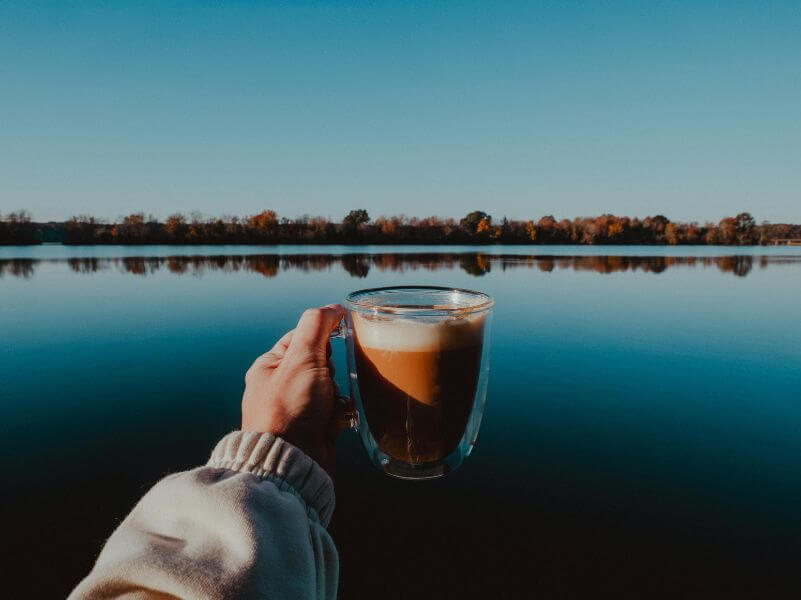
Walk into any PGA Tour locker room on tournament morning and you’ll find coffee everywhere. Not because tour players need help waking up—they’ve been awake for hours. They drink coffee because caffeine works. It improves performance in measurable, repeatable ways that translate directly to lower scores. The question isn’t whether caffeine helps golfers. The question is how much to take, when to take it, and whether the tradeoffs are worth it.
Two recent comprehensive reviews on nutrition and golf—one from Sports Medicine (2024) and another from Nutrients (2023)—synthesized the available research on caffeine and golf performance. Both reviews identified caffeine as one of only two supplements with peer-reviewed evidence supporting its use in golf (the other being creatine monohydrate). The data is compelling: caffeine improves total score, driving distance, putting performance, and subjective energy levels during competitive rounds.
This article consolidates that research into a practical guide: what caffeine does, how it works, the optimal dosing protocol, and the situations where caffeine may hurt more than it helps.
What the Research Shows: Caffeine Improves Golf Performance
The strongest evidence for caffeine and golf comes from a 2016 study by Mumford et al., published in Medicine & Science in Sports & Exercise. The study examined caffeine supplementation during a 36-hole competitive tournament—12 male golfers with handicaps between 3 and 10, double-blind placebo-controlled design, conducted over two consecutive days of competition.
Participants consumed approximately 1.9 mg/kg caffeine 25 to 35 minutes before starting the round, then a second dose after completing 9 holes. Total caffeine intake per round averaged 3.8 mg/kg body weight. For a 75 kg golfer, that’s roughly 285 mg total—equivalent to about 2.5 to 3 cups of coffee spread across the round.
The results were statistically significant across multiple performance metrics:
| Performance Metric | Placebo | Caffeine (3.8 mg/kg) |
| Total Score (strokes) | 79.4 ± 9.1 | 76.9 ± 8.1 |
| Greens in Regulation | 6.9 ± 4.6 | 8.7 ± 3.4 |
| Drive Distance (meters) | 233.3 ± 32.5 | 239.9 ± 33.8 |
| Self-Reported Energy (mid-round) | Lower | Significantly higher (p = 0.025) |
A 2.5-stroke improvement over 18 holes is meaningful. In a professional tournament, that’s often the difference between making the cut and missing it, or finishing top-10 versus top-30. Driving distance increased by approximately 6.6 meters (7.2 yards)—not dramatic, but consistent. Greens in regulation improved by nearly two per round, which is substantial for approach shot accuracy.
Critically, caffeine did not improve every measured variable. Fairways hit, putts per round, sand shots, and first putt distances showed no significant differences between conditions. This suggests caffeine’s primary benefit is reducing fatigue-related performance decline, not enhancing peak technical execution. The golfers who benefited most were those who reported feeling tired or mentally fatigued during the placebo condition.
Caffeine and Putting: Evidence from Simulated Golf
A 2009 study by Stevenson et al., published in Applied Physiology, Nutrition, and Metabolism, tested a carbohydrate-caffeine sports drink in 20 male amateur golfers during a simulated 18-hole round. The drink contained 1.6 mg/kg caffeine plus 0.64 g/kg carbohydrate, consumed as a bolus before play and then at holes 6 and 12.
Putting performance improved significantly with caffeine-carbohydrate compared with placebo:
- 2-meter putting success rate (final 6 holes): 70% versus 50% in placebo
- 5-meter putting success rate (final 6 holes): 40% versus 25% in placebo
- Total successful putts (18 holes): Significantly higher in caffeine-carbohydrate condition
The study could not isolate caffeine’s effect from carbohydrate, as both were present in the intervention. However, the improvement was most pronounced in the final six holes—the period when fatigue typically accumulates and blood glucose declines. This supports the hypothesis that caffeine’s primary mechanism in golf is fatigue mitigation, not skill enhancement.
A related study by Bristow (2016) found no improvement in overall golf performance during an 18-hole round with caffeine at 3 mg/kg, but did observe significant improvements in ball speed and total distance when hitting drives on a golf simulator. This suggests caffeine may enhance explosive power output during maximal efforts, even if the effect doesn’t consistently translate to on-course scoring.
How Caffeine Works: Mechanisms Relevant to Golf
Caffeine is an adenosine receptor antagonist. Adenosine is a neurotransmitter that accumulates in the brain during prolonged wakefulness and physical activity, promoting drowsiness and reducing arousal. Caffeine blocks adenosine receptors, preventing this fatigue signal from registering. The result is increased alertness, reduced perception of effort, and enhanced cognitive function.
Several mechanisms are relevant to golf performance:
1. Reduced Perceived Exertion
Caffeine lowers the subjective feeling of effort during physical activity. In golf, this means the walk between shots, the repetitive swinging during practice, and the cumulative fatigue of a 4- to 5-hour round feel less taxing. Mumford et al. reported that golfers in the caffeine condition felt significantly more energetic at the midpoint of the round compared with placebo, even though objective workload was identical.
2. Enhanced Cognitive Function
Golf requires sustained attention, rapid decision-making (club selection, shot strategy), and fine motor control (putting). Caffeine improves reaction time, vigilance, and executive function—particularly under conditions of sleep deprivation or mental fatigue. For golfers playing early morning rounds or competing over multiple consecutive days, caffeine helps maintain cognitive sharpness when it would otherwise decline.
3. Increased Motor Unit Recruitment
Caffeine enhances neuromuscular activation, allowing for greater force production during explosive movements. This is why Bristow’s simulator study observed increased ball speed and driving distance with caffeine, even though on-course performance was unchanged. The effect is modest—Mumford et al. reported approximately 6.6 meters (7 yards) additional driving distance—but measurable.
4. Delayed Onset of Mental Fatigue
Mental fatigue impairs golf performance by reducing focus, increasing decision-making errors, and degrading motor skill execution. Caffeine delays the onset of mental fatigue, which is why the performance benefits in both Mumford’s and Stevenson’s studies were most pronounced in the later holes of the round.
Supporting Video Resources
How Caffeine Affects Your Golf Game | Golf Digest
In this influential experiment, three golfers of varying skill levels hit a series of golf shots while caffeinating between each round to see how caffeine affects their golf game.
Does Drinking Caffeine Means Better Golf?
In this video, we dive into the role of caffeine in golf how it might affect your energy, focus, and overall game.
The Optimal Caffeine Protocol for Golf
Based on the available research, here is the evidence-based protocol for caffeine use in golf:
Dose
3 to 5 mg per kilogram body weight is the effective range. For a 75 kg golfer, this is 225 to 375 mg total. A 90 kg golfer would target 270 to 450 mg. Doses below 3 mg/kg may be subtherapeutic; doses above 6 mg/kg increase side effects (jitteriness, gastrointestinal distress) without additional performance benefit.
Practical caffeine sources:
- Coffee (8 oz / 240 mL): 80–100 mg per cup
- Espresso (1 shot): 60–80 mg
- Caffeine tablet: 100–200 mg per tablet
- Energy drink (8 oz): 70–100 mg
- Pre-workout supplement: 150–300 mg per serving (check label)
Timing
Caffeine reaches peak plasma concentration 45 to 60 minutes after ingestion. Consume the first dose 30 to 60 minutes before your tee time. If playing 18 holes or more, consider a second dose at the turn (after hole 9). Mumford’s protocol—split dosing with half the caffeine pre-round and half at the turn—produced the best results in competitive settings.
Frequency
Caffeine tolerance develops with chronic use. Habitual caffeine consumers (those who drink coffee daily) require higher doses to achieve the same ergogenic effect compared with caffeine-naïve individuals. However, the literature suggests that even habitual users benefit from strategic caffeine timing around competition. If you drink coffee daily, do not increase your baseline intake dramatically on competition days—this risks gastrointestinal distress and anxiety. Instead, time your usual intake strategically to align with performance windows.

Delivery Method
Coffee, caffeine tablets, and energy drinks all work. The key variable is total caffeine dose, not delivery method. However, liquid caffeine (coffee, energy drinks) is absorbed slightly faster than tablets. For Connecticut golfers with sensitive stomachs, caffeine tablets may cause less gastrointestinal distress than coffee, which contains additional compounds (chlorogenic acid, oils) that can irritate the gut.
Combining with Carbohydrate
Stevenson’s study used a combined caffeine-carbohydrate drink and observed improved putting performance. The synergy between caffeine and carbohydrate makes physiological sense: caffeine enhances alertness and reduces fatigue perception, while carbohydrate maintains blood glucose and prevents hypoglycemia-related cognitive decline. For golfers, consuming caffeine with a carbohydrate source (sports drink, energy gel, banana) is likely optimal, particularly during longer rounds.
When Caffeine Hurts Golf Performance
Caffeine is not universally beneficial. Several scenarios exist where caffeine may impair performance or create unacceptable tradeoffs:
1. Afternoon or Evening Tee Times
Caffeine has a half-life of 3 to 5 hours. Consuming caffeine after 2 PM increases the likelihood of sleep disruption that night. Sleep quality is a stronger predictor of next-day performance than caffeine. If you have an afternoon tee time and are playing again the following day, the performance cost of poor sleep likely exceeds the benefit of acute caffeine supplementation. Avoid caffeine after early afternoon if sleep quality matters.
2. Caffeine-Naïve Players
Individuals who do not regularly consume caffeine are more sensitive to its side effects: jitteriness, increased heart rate, gastrointestinal distress, and anxiety. These effects can impair fine motor control (putting) and decision-making. If you do not drink coffee regularly, do not experiment with caffeine during competition. Trial it during practice rounds first to assess tolerance.
3. Pre-Existing Anxiety
Caffeine increases arousal and can exacerbate anxiety symptoms. Golfers who experience performance anxiety, particularly on the first tee or during pressure situations (putting to win, playing in front of crowds), may find that caffeine worsens anxiety rather than improving focus. If you are prone to nervousness on the course, caffeine may be counterproductive.
4. Excessive Doses
Doses above 6 mg/kg body weight increase side effects without additional performance benefit. For a 75 kg golfer, 6 mg/kg is 450 mg—equivalent to roughly 4 to 5 cups of coffee. At this dose, tremor, palpitations, and gastrointestinal distress become likely. The performance-enhancing window is narrow: 3 to 5 mg/kg is optimal. More is not better.
Caffeine and Multi-Day Tournaments
Professional and elite amateur golfers often compete over consecutive days. Mumford’s study tested caffeine during a 36-hole tournament (two consecutive days, 18 holes each day) and observed benefits on both days. However, the study did not measure sleep quality or next-day alertness.
Theoretical concern: if caffeine consumed on Day 1 disrupts sleep, Day 2 performance may be impaired despite acute caffeine supplementation. The research does not provide clear guidance here, but general sleep hygiene principles apply: avoid caffeine within 6 hours of bedtime, prioritize sleep duration and quality, and monitor subjective recovery between rounds.
For tournaments lasting 3 to 4 days (standard PGA Tour format), caffeine can be used strategically on the final two days when fatigue is highest, while minimizing use on Days 1 and 2 to preserve sleep quality. This is speculative—no golf-specific studies have tested multi-day caffeine protocols—but it aligns with caffeine pharmacology and sleep science.
Practical Caffeine Protocol: Summary Table
| Variable | Recommendation | Rationale / Evidence |
| Dose | 3–5 mg/kg body weight | Mumford et al. used 3.8 mg/kg and observed 2.5-stroke improvement |
| Timing | 30–60 min before tee time, second dose at turn | Peak plasma concentration at 45–60 min; split dosing maintains levels |
| Source | Coffee, tablets, energy drink (any) | Total dose matters more than delivery method |
| Combine with CHO | Yes, if round >3 hours | Stevenson et al.: caffeine + CHO improved putting vs. placebo |
| Avoid if… | Afternoon tee time, caffeine-naïve, anxious | Sleep disruption and side effects outweigh benefits |
| Max dose | <6 mg/kg body weight | Higher doses increase side effects without added benefit |
Final Word
Caffeine is not a substitute for skill, practice, or course management. But for golfers who already have those fundamentals in place, caffeine is one of the few legal, safe, evidence-based interventions that measurably improves performance. The effect size—2 to 3 strokes over 18 holes, 6 to 7 yards of additional driving distance, improved putting success rate in the final holes—is modest but real.
The key is protocol: 3 to 5 mg per kilogram body weight, consumed 30 to 60 minutes before the round, with a potential second dose at the turn. Combine with carbohydrate during longer rounds. Avoid afternoon use if sleep matters. Trial during practice before implementing in competition.
Most importantly, caffeine’s benefit is not universal. If you’re caffeine-naïve, anxious, or playing in the evening, the tradeoffs may not be worth it. But for the majority of golfers—particularly those competing over long rounds, in hot conditions, or when mentally fatigued—caffeine is a tool worth using. To ensure your physical boost translates into better results, you can pair your routine with precise data by understanding the measurement accuracy of the Blast Motion Golf sensor.
Sources: Mumford PW, Tribby AC, Poole CN, et al. Effect of Caffeine on Golf Performance and Fatigue during a Competitive Tournament. Medicine & Science in Sports & Exercise. 48(1):132–138, 2016. | Stevenson EJ, Hayes PR, Allison SJ. The effect of a carbohydrate-caffeine sports drink on simulated golf performance. Applied Physiology, Nutrition, and Metabolism. 34(4):681–688, 2009. | O’Donnell A, Murray A, Close GL. Nutrition and Golf Performance: A Systematic Scoping Review. Sports Medicine. 54:3081–3095, 2024.
David is an avid golfer who loves walking Connecticut’s courses and playing alongside his family. He’s passionate about golf course architecture and one day hopes to play at Pebble Beach.