Quarry Ridge Golf Club is a public par-72 course measuring approximately 6,389 yards from the tips. The course was originally designed in 1993 by Al Zikorus and Joe Kelley and is located in Portland, Connecticut.
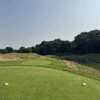
The layout began as an initial nine holes in 1993 before expanding to a full 18-hole facility in 1998, establishing its presence in the Connecticut golf landscape over a multi-phase development period. In early 2021, ownership transferred to Tim and Patti Vale of Guilford, who invested considerably in upgrading course conditioning and clubhouse amenities to enhance the overall experience for golfers. The course occupies approximately 150 acres of dramatic terrain carved into former quarry land, featuring spectacular granite rock outcroppings that punctuate nearly every hole and provide a signature visual element unique among Connecticut public courses. The routing takes full advantage of the existing topography, with substantial elevation changes creating a vertical golf experience that flows through woodlands, over ridgelines, and alongside exposed bedrock formations overlooking the Meshomasic State Forest and Connecticut River valley. Players who appreciate bold terrain, risk-reward shot values, and strategic thinking will find considerable merit in this layout, as will those who value memorable par threes and reachable par fives that encourage aggressive play. The design emphasizes accuracy over pure length, with fairway corridors framed by native forest and granite ledges that penalize wayward shots while rewarding well-positioned approaches into greens that feature moderate undulation and challenging pin positions.
Strategic Test
| Handicap | Course Strategy |
|---|---|
| High Handicap (18+) | From the green tees at 5,213 yards with a slope of 108 and rating of 65.1, higher handicappers face a manageable test that rewards conservative play while still presenting the dramatic scenery that defines the property. The slope differential suggests most strokes will be saved by avoiding penalty areas rather than attempting heroic carries, particularly given the elevation changes that can deceive distance judgment. Hole 14, a par-3 measuring approximately 162 yards from the back tees and playing shorter from forward markers, exemplifies the strategic dilemma facing this player category as the green sits adjacent to a pond on the left front with bunkers guarding the entrance, demanding a committed mid-iron that must carry the hazards without spinning back off the putting surface. The elevated tee provides excellent visibility but club selection becomes critical when accounting for downhill trajectory and potential wind exposure on this exposed ridge location. |
| Mid Handicap (8-18) | The blue tees at 6,049 yards present a slope of 119 and rating of 69.5, creating a legitimate championship test that requires sound course management and the ability to execute shots from uneven lies given the rolling terrain throughout the property. These players will find scoring opportunities on the reachable par fives mixed with demanding par fours where accuracy from the tee becomes paramount to set up approach angles into greens protected by natural contours and strategic bunkering. The 7th hole, a par-4 playing 356 yards from the championship tees with proportionally shorter distances from the blues, demonstrates the architectural philosophy as trouble exists throughout the corridor from tee to green, requiring precise execution on both the tee ball and approach without the margin for error that length alone might provide on more open layouts. |
| Low Handicap (0-8) | The black tees stretch to 6,389 yards with a slope of 124 and rating of 70.9, providing a stern examination where the modest yardage belies the difficulty created by elevation change, forced carries, and greens that reject imprecise approach shots despite appearing generous from the fairway. The course rating nearly two strokes over par indicates that even accomplished players will need to manage expectations and construct rounds through strategic positioning rather than overpowering the layout. Hole 12, a par-4 measuring 447 yards from the championship markers, ranks as the number one handicap and demands a confident drive followed by a long approach often played from an uneven stance to a green complex where distance control proves critical given the surrounding contours and potential for three-putts on the undulating surface. |
Nearby Course Alternatives
Portland Golf Course in Portland offers a contrasting strategic proposition approximately 5 minutes to the northwest of Quarry Ridge for golfers seeking a Geoffrey Cornish design with more traditional Connecticut River Valley characteristics. Measuring 6,218 yards from the tips with a par of 71, the course features a slope rating in the mid-120s and encompasses roughly 130 acres of rolling terrain with tree-lined fairways and moderate elevation changes that create visual interest without the dramatic vertical movement found at its quarry-based neighbor. The Cornish routing emphasizes strategic bunkering and green complexes that reward approach shot precision, with longer par fours and well-defended par threes testing every aspect of shot-making ability across the round. The layout provides a more classical parkland examination where accuracy from the tee and iron play into receptive greens becomes paramount, particularly for mid-handicappers who can take advantage of scoring opportunities on well-executed approach shots. Higher handicap players who prefer tree-lined corridors and gentler elevation changes over exposed granite outcroppings will find Portland Golf Course offers a less intimidating visual presentation while still providing substantial strategic interest through hole variety and the thoughtful placement of hazards that penalize loose shots without creating penal architecture. The course occupies similar acreage but distributes its features across more horizontal terrain, creating a walking-friendly experience that contrasts with Quarry Ridge’s cart-mandatory vertical journey through former quarry land.
Timberlin Golf Club in Berlin provides another public alternative roughly 15 minutes to the west, nestled along the base of Ragged Mountain and offering a different architectural perspective through Al Zikorus design principles applied to more pastoral Connecticut terrain. The layout measures 6,733 yards from the championship tees with a par of 72, featuring a slope of 129 and rating of 72.2 that creates a slightly more demanding examination than Quarry Ridge despite occupying approximately 160 acres of rolling farmland with less dramatic elevation change. Originally opened in 1970, the course received subsequent renovations by Stephen Kay and Doug Smith in 2006, with additional refinements by Ray Hearn in 2014, creating a mature layout where fairway corridors are well-defined by deciduous trees and strategic bunkering penalizes wayward tee shots. The design emphasizes precision over power with numerous holes featuring doglegs and approach shots into elevated greens that demand accurate distance control, particularly on the challenging back nine where consecutive difficult holes can quickly derail scoring momentum. Low handicap players seeking a rigorous test of shot-making where every club in the bag receives usage across varied hole types will appreciate Timberlin’s architectural diversity and the way the routing builds tension through strategic sequencing of par values and hazard placement. The course also features superior practice facilities including a grass hitting range with multiple target greens, providing warmup opportunities that Quarry Ridge lacks given its compact footprint, making Timberlin an attractive option for players who prioritize range access alongside their competitive rounds.
Final Word
Beyond the golf course itself, Quarry Ridge provides a practice putting green located adjacent to the clubhouse that allows players to familiarize themselves with the speed and grain characteristics of the greens before their round, though the facility does not include a dedicated driving range given the property’s space constraints on its hillside location. The absence of a full short-game practice area represents a limitation for golfers seeking comprehensive warmup options, though nearby facilities within the Portland area can supplement this need for players desiring extended range work before competitive rounds. The clubhouse underwent significant renovations following the 2021 ownership change, creating a welcoming environment that features the Terrazza Restaurant and Bar with panoramic views overlooking the golf course and surrounding valley, providing post-round dining and social opportunities in an elevated setting. The banquet facility accommodates golf outings and special events, leveraging the property’s dramatic natural scenery as a backdrop for tournaments and celebrations throughout the golf season. Virtual golf technology has been incorporated into the clubhouse operations, allowing year-round engagement with the game during Connecticut’s winter months when outdoor play becomes weather-dependent. What distinguishes Quarry Ridge among Connecticut public courses is the singular commitment to terrain-driven architecture where every hole presents a unique visual statement through the integration of exposed granite bedrock, elevation change, and strategic hazard placement that rewards thoughtful play over mindless aggression. The course proves its value through the combination of dramatic natural features, conditioning that has improved markedly under current ownership, and strategic architecture that engages golfers across all skill levels while providing memorable shot-making opportunities that linger long after the round concludes in the shadow of the finishing hole’s elevated tee complex.

David is an avid golfer who loves walking Connecticut’s courses and playing alongside his family. He’s passionate about golf course architecture and one day hopes to play at Pebble Beach.