Goodwin Park Golf Course – South is a public par-70 course measuring approximately 6,015 yards from the tips. The course was originally designed in 1937 by Robert J. Ross and is located in Hartford, Connecticut.
Golf at Goodwin Park traces its lineage to 1906, making it one of Connecticut’s earliest municipal facilities. The current 18-hole South Course opened on June 5, 1937, designed by Robert J. Ross, an MIT-educated assistant city engineer who made golf architecture his avocation. Ross, who also designed Middletown Golf Club and contributed to Keney Park, created the layout using WPA labor under the supervision of Everett Pyle. The course has undergone periodic improvements throughout its history, with the most significant investment coming in 2013 when the City of Hartford partnered with the Connecticut Section PGA to restore both Goodwin and Keney Park facilities. This collaboration brought more than one million dollars in improvements to Goodwin Park, including enhanced drainage, conditioning upgrades, and infrastructure modernization. The facility continues to operate under management by Guilmette Golf, which has overseen recent fleet upgrades and ongoing maintenance programs. The course remains a testament to Depression-era public works projects, having provided accessible golf to Hartford residents for nearly nine decades while maintaining much of Ross’s original strategic intent.
Goodwin Park South occupies approximately 120 acres within the larger 227-acre park designed by Frederick Law Olmsted and the Olmsted Brothers firm at the turn of the 20th century. The terrain features modest but strategic elevation changes throughout, with the front nine generally playing downhill from elevated tees before climbing back upward on holes like the ninth. The routing follows a traditional out-and-back pattern that maximizes the available land while incorporating natural features including ponds, wetlands, and mature tree corridors. The design philosophy emphasizes accuracy and course management over pure distance, with multiple risk-reward scenarios requiring thoughtful club selection. Players who appreciate strategic variety will find compelling options throughout the round, from the opening downhill par-5 to the demanding uphill finish on the 18th. The course suits mid-handicap players particularly well, offering enough challenge to test developing skills without the punishing severity of championship layouts. Better players will find scoring opportunities balanced by precision requirements, while higher handicappers benefit from generous bailout areas on several holes. The parkland character creates a peaceful retreat from the nearby urban environment, with views of the Hartford skyline adding visual interest without distracting from the golf at hand.
Strategic Test
The slope and rating metrics provide essential context for understanding how Goodwin Park South challenges different skill levels. Course rating measures the difficulty for scratch golfers under normal conditions, with the Blue tees carrying a 68.3 rating that sits slightly below par, indicating an accomplished player should score around two over par. Slope rating quantifies the relative difficulty for bogey golfers compared to scratch players, with values ranging from 55 to 155 where 113 represents average difficulty. The Blue tees measure 123 slope, suggesting the course plays approximately 10 points above average difficulty for recreational players. These figures indicate strategic demands favor players who can consistently find fairways and greens rather than those relying primarily on distance. The relatively modest yardage from the tips means positioning trumps power, with tighter landing areas and elevated greens creating scoring challenges through precision rather than brute force. The difference between the Blue tee rating of 68.3 and the White tee rating of 66.9 demonstrates how the additional yardage primarily affects scratch players, while the slope differential from 123 to 116 shows higher handicappers face proportionally less additional challenge moving back.
| Handicap | Course Strategy |
| High Handicap (18+) | From the Red tees at 5,069 yards with a slope of 110, players in this range should focus on keeping the ball in play rather than maximizing distance. The course rewards conservative club selection off elevated tees, particularly on downhill holes where extra roll can find trouble. Approach shots benefit from aiming for the center of greens rather than attacking pins, as the subtle contours and surrounding slopes create difficult recovery situations. The par-5s on holes one and 12 offer realistic birdie opportunities when played as three-shot holes, while the shorter par-4s provide chances to reach greens in regulation with fairway woods or hybrids. Water hazards require particular attention on holes two, six, and seven, where cautious play to safe landing areas prevents big numbers. |
| Mid Handicap (8-18) | The White tees at 5,605 yards provide appropriate challenge with a 66.9 rating and 116 slope. Players in this bracket should emphasize positioning off the tee to set up favorable approach angles, particularly on doglegs where cutting corners risks penalty strokes. The par-5s become genuine three-shot holes requiring layup discipline, while the four par-3s demand precise club selection to account for elevation changes and green complexes. Course management decisions separate good scores from mediocre ones, with risk-reward scenarios on holes two, five, and 16 offering scoring opportunities for well-executed shots. Approach play to elevated greens must account for the extra club needed, while downhill holes require dialing back to avoid running through fairways. |
| Low Handicap (0-8) | From the Blue tees at 6,015 yards with a 68.3 rating and 123 slope, accomplished players face a layout that demands consistent accuracy more than overwhelming power. Scoring opportunities exist on both par-5s and several drivable par-4s, but aggressive play must be tempered by precise execution around water hazards and elevated green complexes. The relatively modest yardage means many approaches come from wedge or short iron range, placing premium on spin control and trajectory management. The 246-yard 11th represents the most demanding test on the card, requiring full long iron or hybrid to a green offering little margin for error. Strategic decisions about when to attack pins versus playing to fat portions of greens often determine whether a round reaches red figures. The uphill finish on 18 provides a stern closing examination, with the elevated green requiring an extra club and the tiered putting surface demanding precise distance control. |
The 361-yard second hole exemplifies the strategic thinking required throughout Goodwin Park South, presenting a Cape-style hazard scenario where players must weigh risk against reward from the moment they step onto the tee. A mature tree stands approximately 200 yards from the Blue tee, bisecting the fairway and creating two distinct routes to the green. The aggressive line requires a 220-yard carry over water left of the tree, opening a clear view to a green protected by multiple bunkers but offering the shortest approach distance. Players choosing this route from the Blue tees need driver or strong three-wood, with any miss left finding water and any bail-out right potentially catching the fairway bunker. The conservative play aims right of the tree, reducing the carry to approximately 180 yards over a shorter water section, but this safer route leaves a blind approach to a well-protected, sloping green. High handicappers playing from forward tees should virtually always take the right route, accepting the blind second shot as preferable to water risk. Mid handicappers from the White tees at 322 yards face the most interesting strategic dilemma, as both routes remain viable with fairway woods or long irons creating genuine decision points based on wind and confidence levels. Low handicappers from the tips must honestly assess their carry distance and accuracy, recognizing that the left route only makes sense if they can comfortably clear 220 yards with controlled trajectory. The approach shot amplifies the strategic implications of the tee shot choice, with players on the left side enjoying full visibility to a green measuring approximately 30 yards deep, while those on the right must judge distance to an elevated, sloped surface without clear depth perception. This single hole encapsulates Goodwin Park’s design philosophy of presenting thoughtful alternatives where calculation matters as much as execution.
Nearby Course Alternatives
Keney Park Golf Course in Hartford sits just five miles north of Goodwin Park and represents perhaps the most compelling comparison in the Hartford municipal system. The course measures 6,449 yards from the Gold tees with a 70.6 rating and 127 slope, playing to par 70 like its southern counterpart but with approximately 430 additional yards and notably more severe slope rating indicating greater difficulty for recreational players. Devereux Emmet designed the front nine in 1927, with Robert “Jack” Ross creating the back nine in 1931, giving Keney a split architectural pedigree that predates Goodwin’s 1937 opening by nearly a decade. The facility underwent a comprehensive six-million-dollar renovation by Matthew Dusenberry in 2016, transforming it into one of New England’s most celebrated municipal restorations and earning recognition as Golfweek’s number one public course in Connecticut. The restoration introduced template holes including Redan, Road, Punchbowl, and Principal’s Nose complexes, creating strategic depth uncommon in municipal golf. The terrain at Keney features more pronounced elevation changes than Goodwin, with the routing moving through varied topography that provides both visual interest and strategic consequences. Players who gravitate toward architectural history and Golden Age design principles will find Keney’s template holes and wild green contours more stimulating than Goodwin’s subtler presentation. The course occupies approximately 170 acres of parkland, with mature tree corridors creating a sense of isolation despite the urban setting. Mid-to-low handicappers seeking a sterner test with more dramatic shot requirements should make the 10-minute drive north to experience Keney’s combination of classical architecture and modern conditioning.
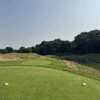
Wintonbury Hills Golf Course in Bloomfield provides a completely different experience approximately 15 minutes northwest of Goodwin Park, representing Pete Dye’s first championship design in New England. The course stretches to 6,711 yards from the Black tees with a formidable 72.4 rating and 129 slope, playing to par 70 but with significantly more demanding characteristics than either Hartford municipal option. Dye completed the layout in 2005 with assistance from Tim Liddy, creating a distinctive two-personality routing where the front nine features open, links-inspired holes with considerable elevation change while the back nine transitions to traditional tree-lined corridors. The property encompasses approximately 200 acres with substantial grade changes throughout, utilizing the natural topography for dramatic effect on holes like the 255-yard seventh par-3 that plunges downhill. Strategic emphasis at Wintonbury comes from Dye’s characteristic hazard placement and green complexity, with railroad ties, pot bunkers, and severe contours creating visual intimidation alongside genuine strategic demands. The course has earned consistent recognition as one of Connecticut’s premier public facilities, ranking number one on GolfPass’s 2025 golfers’ choice list and number two on Golfweek’s best public courses ranking. Better players will appreciate Wintonbury’s championship test and impeccable conditioning, while mid-handicappers should carefully consider tee selection to avoid overwhelming difficulty. The facility operates with a semi-private structure managed by Troon, providing amenities and service levels exceeding typical municipal standards. Players seeking a modern championship challenge with dramatic design features and tournament-caliber conditioning should make the drive to Bloomfield, though those preferring traditional parkland architecture and more forgiving strategic demands will find Goodwin’s understated approach more appealing.
Final Word
Beyond the 18-hole championship South Course, Goodwin Park offers a nine-hole North Course measuring 2,544 yards at par 35, providing an ideal option for beginners, juniors, or experienced players seeking a quick executive-length layout. The facility maintains a grass-tee driving range with multiple target greens, allowing players to work on all aspects of their game before heading to the first tee. A dedicated practice putting green sits adjacent to the clubhouse, offering quality surfaces for dialing in speed and reading breaks before the round. The clubhouse itself provides essential amenities including a well-stocked pro shop managed by PGA professionals who offer instruction and club fitting services. The staff has earned recognition for customer service, with multiple reviewers praising the friendly atmosphere and attentive care provided to both regulars and first-time visitors. The 19th hole features a restaurant with both indoor seating and an outdoor patio overlooking the golf course, offering breakfast, lunch, and casual dining options in a relaxed environment. The facility hosts various community programs including First Tee Connecticut, which provides youth golf development and life skills education to underserved populations. League play runs throughout the season on weekday afternoons, creating a vibrant community atmosphere. The recent investment in a new Club Car fleet with GPS systems has modernized the cart experience while improved cart paths enhance accessibility throughout the layout.
Goodwin Park South succeeds because it understands its mission as a public golf facility serving Hartford’s diverse population while maintaining strategic interest for accomplished players. The course never pretends to be something it is not, instead embracing its role as an accessible, affordable option that rewards thoughtful play rather than demanding heroic shotmaking. The Robert J. Ross design has aged remarkably well, with the strategic architecture remaining relevant despite dramatic equipment advances over nearly nine decades. The modest yardage ensures pace of play remains reasonable even on busy weekend mornings, while the variety of hole lengths and strategic demands prevents monotony over 18 holes. The parkland setting provides genuine beauty without requiring the extensive maintenance budgets that doom many municipal facilities, with mature trees and natural water features creating visual interest organically. The facility proves that municipal golf can deliver quality experiences when supported by thoughtful management and reasonable investment. For Hartford residents, Goodwin Park represents an invaluable community asset offering recreation, exercise, and social connection at modest cost. For visitors exploring Connecticut golf, the course provides an authentic glimpse of Depression-era public works architecture that continues serving its intended purpose with dignity and character. The combination of historical significance, strategic variety, and welcoming atmosphere creates an experience that transcends the sum of its measurable components, reminding players why municipal golf matters to the fabric of American communities.

David is an avid golfer who loves walking Connecticut’s courses and playing alongside his family. He’s passionate about golf course architecture and one day hopes to play at Pebble Beach.