Gillette Ridge Golf Club is a public par-72 course measuring approximately 7,191 yards from the tips. The course was originally designed in 2004 by Arnold Palmer and Ed Seay and is located in Bloomfield, Connecticut.
The property on which Gillette Ridge sits has deep historical roots, named to honor Francis Gillette, a local 19th century reformer, politician and business leader whose historic house still stands near the fourth hole. On September 27, 1999, Cigna Corporation announced plans to develop land at its Bloomfield headquarters campus, envisioning a comprehensive project that would include a golf course, conference center, hotel, office buildings and residential homes. The project received its formal name of Gillette Ridge in December 2001, and after three years of construction, the course opened to the public on July 30, 2004, instantly becoming the only public Arnold Palmer designed course in the Northeast. In 2008, with management transitioning to MDM Golf, several adjustments were made to soften some of the more severe design elements while maintaining the challenging character Palmer intended, including modifications to bunker slopes and approach angles that made certain holes more approachable for mid to high handicap players without compromising the test for skilled competitors. More recently, Century Golf Partners assumed management and undertook significant restoration work, addressing drainage issues in the bunker complexes, re coring all 21 greens on the property including practice greens, installing new sand throughout, and adding forward tee boxes to further expand playability across the skill spectrum.
The layout occupies approximately 72 acres carved from the Cigna headquarters campus, threading through dramatic elevation changes, mature hardwood forests, and environmentally sensitive wetlands that frame many of the most memorable holes. The routing follows a classic out and back pattern with distinct character shifts between the two nines, the front nine playing through more open corridors with wider landing areas before the back nine tightens considerably and introduces water hazards on nearly every hole. Palmer and Seay capitalized brilliantly on the natural topography, creating a bold design that features forced carries over wetlands, green complexes perched on hillsides and peninsulas, and fairway corridors that require both distance control and shot shaping to navigate successfully. The terrain rolls considerably throughout the property, with elevation changes that can obscure depth perception and create optical illusions on approach shots, particularly on holes like the par three eighth that plays all carry over wetlands to a green set against a backdrop of mature trees. Players who appreciate strategic architecture and tactical shotmaking will find Gillette Ridge enormously satisfying, as nearly every hole presents multiple ways to attack the design depending on wind conditions, pin placements and personal strengths, while those seeking a more casual round may find the relentless demand for precision exhausting over 18 holes.
Strategic Test
The strategic architecture at Gillette Ridge operates on multiple levels simultaneously, with the design rewarding tactical thinking from the tee while punishing wayward shotmaking far more severely than most daily fee layouts in the region. Palmer incorporated risk reward elements throughout the routing, most notably on short par fours like the 294 yard 13th where aggressive players can attempt to drive the green but must navigate a narrow chute with severe consequences for missing the corridor, while conservative players can lay back with mid irons and still have scoring opportunities from preferred distances. The par fives offer genuine three shot opportunities for most players while tempting longer hitters with reachable targets that come with significant hazards protecting the greens, creating authentic decision points rather than automatic layups. Centerline hazards appear frequently, most dramatically on holes like the 18th where fairway bunkers left and right force precise drives to set up clear approaches over the fronting water hazard. The green complexes themselves provide the primary strategic interest, with false fronts, internal contours and steep fall offs creating situations where missing on the correct side becomes as important as hitting the putting surface, particularly when pins are placed in difficult sections. Approach angle considerations factor heavily into strategic planning, as many greens sit at diagonal angles to the fairways or feature defenses that make certain entry points far more forgiving than others.
For higher handicap players, Gillette Ridge presents a formidable examination that requires realistic self assessment and disciplined course management to avoid excessive damage. The course rating and slope system provides objective measurement of difficulty across the tee options, with the Black tees posting a 75.4 rating and 141 slope, the Blue tees at 72.9 and 136, the White tees at 70.0 and 134, the Gold tees at 67.7 and 126, and the Red tees at 72.1 and 121. These numbers tell an important story about accessibility, as the modest decrease in rating between the back and middle tees belies the substantial increase in slope rating, indicating that the course becomes disproportionately more difficult for bogey golfers as distance increases. The high slope ratings across all tee complexes reveal a design that penalizes errors more severely than scratch golfers experience, with hazards positioned to catch mishits and recovery options limited around most greens. Course rating represents the expected score for a scratch golfer under normal conditions, while slope rating measures the relative difficulty for bogey golfers compared to scratch players, with 113 being neutral and higher numbers indicating greater disparity. When slope exceeds 130 as it does from four of the five main tee boxes, the implication is clear that average players will struggle considerably more than the yardage alone suggests. The width of corridors, depth of hazards, and severity of greens all contribute to elevated slope ratings, meaning that even from forward tees, players must bring sharp ballstriking and sound decision making to post respectable scores.
| Handicap | Course Strategy |
|---|---|
| High Handicap (18+) | From the Gold tees at 5,663 yards with a 67.7 rating and 126 slope, higher handicap players should expect to add approximately 20 strokes to the course rating, targeting a score around 88 for players with an 18 handicap and higher for those above that mark. The forward tees eliminate some forced carries but maintain strategic interest, requiring careful club selection off tees to avoid fairway bunkers while leaving manageable approach distances. Conservative play becomes paramount, accepting bogeys on the longer par fours rather than forcing aggressive lines that bring water and penalty areas into play. The par fives offer the best scoring opportunities, with three of the four playing under 540 yards from these tees and providing realistic chances for pars when approached with patient three shot strategies. |
| Mid Handicap (8-18) | The White tees at 6,147 yards with a 70.0 rating and 134 slope create an appropriate challenge for mid handicap players, though the elevated slope suggests scores will cluster around 85 to 95 depending on execution. These tees introduce more forced carries and tighter driving corridors, particularly on holes like the seventh that stretches over 570 yards and requires three quality shots to reach the elevated green complex. Mid handicappers must develop a coherent game plan for each hole, identifying which par fours offer legitimate par opportunities and which demand acceptance of bogey or worse when positioning becomes compromised. Driver becomes optional on several holes, with hybrids or fairway woods off tees providing better control into narrow landing areas. Iron play accuracy matters enormously, as greens feature enough internal movement that approach shots must find the correct tier to leave makeable two putts. |
| Low Handicap (0-8) | The Blue tees at 6,696 yards with a 72.9 rating and 136 slope provide a stern but fair test for accomplished players, requiring precise shotmaking and strategic thinking throughout the round. Low handicap players will find scoring opportunities on the three par fives and several of the shorter par fours, but must execute consistently to capitalize as recovery areas around greens are minimal and penalty strokes accumulate quickly. The design rewards players who can work the ball both directions, particularly on dogleg holes where shaping tee shots to match the hole’s movement creates better approach angles. Distance control becomes critical on approaches, as greens often feature tiers or slopes that reject shots missing by even a few yards, and up and downs from certain positions prove extremely difficult even for skilled short game players. Strategy from these tees involves aggressive play when positioned correctly but discipline to accept par and move forward when holes don’t unfold favorably. |
The 18th hole at Gillette Ridge serves as a fitting climax to the round, presenting a strategic puzzle that varies dramatically based on tee selection and wind conditions. From the championship tees, the hole plays 478 yards as a par four with a handicap rating of one, immediately establishing its credentials as the most demanding closing hole in the Hartford region. The tee shot requires a carry of approximately 200 yards over wetlands to reach the fairway, with the landing area squeezed between bunkers positioned left and right at the prime driving distance for most players. Conservative players might lay back short of the fairway bunkers with a hybrid or three wood, leaving a longer approach but avoiding the risk of finding sand or missing the fairway entirely and facing a difficult recovery. Aggressive players who flush a driver past the bunkers gain a significant advantage, reducing the approach from 180 yards to perhaps 140 yards, but must execute precisely as anything offline brings additional hazards into play. The second shot plays to a peninsula green fronted by a pond that extends well up the right side, with a bunker guarding the left front and trees behind creating a frame that makes depth perception challenging. High handicap players from the Gold tees at 389 yards face a more manageable examination but still must carry the wetlands off the tee and navigate the water fronted green, making position off the tee paramount to set up a mid to short iron approach from a level lie. Mid handicap players from the White tees at 430 yards encounter the full strategic test with reduced margins for error, needing both a quality drive and a confident mid iron to clear the water and hold the green. Low handicap competitors from the Blue tees at 451 yards must commit fully to aggressive play if hoping to birdie, as laying up leaves an awkward distance and takes the hole effectively out of reach for better than par.
Nearby Course Alternatives
Wintonbury Hills Golf Course in Bloomfield represents Pete Dye’s first championship design in New England and consistently ranks among the top public courses in Connecticut, currently holding the number two position on Golfweek’s Best Courses You Can Play list for 2025 and earning the top spot on GolfPass’s Golfers’ Choice rankings. The municipal layout plays 6,711 yards from the tips with a par of 70, posting a 72.3 rating and 130 slope from the tournament tees, making it marginally more accessible than Gillette Ridge despite sharing similar overall length. The routing occupies approximately 80 acres moving through wetlands and forest adjacent to the Bloomfield Reservoir, with several holes laid out directly along the water’s edge creating dramatic framing and forcing carries that rival anything Palmer created at Gillette. Dye’s signature design elements appear throughout including railroad tie bunkers, boldly contoured greens with false fronts, and strategic width that rewards precise driving while punishing wayward tee shots. The property lacks Gillette’s dramatic elevation changes but compensates with a links style opening that transitions into traditional tree lined corridors, providing aesthetic variety that keeps players engaged throughout the round. Located less than five minutes to the west of Gillette Ridge, Wintonbury Hills offers an excellent stylistic counterpoint for players who appreciate strategic architecture but prefer a walking friendly layout with greens and tees positioned in close proximity. Players seeking a slightly gentler test while maintaining championship caliber conditioning and design pedigree will find Wintonbury Hills particularly appealing, especially mid handicappers who benefit from the wider fairways and more forgiving approach angles compared to Palmer’s demanding layout.
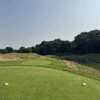
Simsbury Farms Golf Course in West Simsbury provides a Geoffrey Cornish designed classic that opened in 1970 and occupies rolling terrain approximately 15 minutes northwest of Gillette Ridge along Route 44. The municipal course stretches 6,509 yards from the tips with a 71.2 rating and 129 slope, playing as a par 72 that emphasizes strategic thinking and precise iron play over raw distance. Cornish built the layout on a former apple orchard, incorporating significant elevation changes and mature tree lined corridors that create classic New England aesthetics particularly striking during autumn when foliage peaks. The green complexes provide the primary defense, with some putting surfaces measuring nearly 50 yards from front to back while others feature severe back to front slopes that demand approach shots below the hole to avoid three putts. The course accentuates placement over power, with modest length from the tee boxes meaning that even players with average distance can compete effectively by positioning drives intelligently and executing solid approach shots, making it particularly suitable for players who struggle with Gillette’s demanding length and forced carries. Simsbury Farms operates as part of a larger municipal sports complex including tennis courts, hockey facilities and an outdoor pool, creating a community atmosphere distinct from Gillette’s more resort style presentation. Players who appreciate traditional parkland architecture with strategic interest derived from green contours rather than hazard placement will gravitate toward Simsbury Farms, especially those seeking a walkable layout at reasonable rates while maintaining tournament quality conditioning and thoughtful design work from one of New England’s most respected Golden Age architects.
Final Word
The practice facilities at Gillette Ridge rank among the finest in the region, featuring an expansive grass driving range that accommodates long iron and driver work from level lies with multiple target greens providing aim points for various distances. The short game complex includes a full pitching area with bunkers, a dedicated chipping green with various lies and slopes to practice from, and two separate putting greens that replicate the speed and undulation found on the course itself, allowing players to properly calibrate their stroke before heading to the first tee. The clubhouse spans approximately 6,000 square feet and houses a fully stocked pro shop carrying equipment and apparel from major manufacturers, a grill room and full service restaurant offering breakfast, lunch and dinner with both indoor seating and a patio overlooking the 18th green, locker rooms with shower facilities, a bar area with multiple televisions, and meeting rooms available for corporate outings and private events. While the clubhouse underwent cosmetic improvements including new carpeting, fresh paint, updated televisions and furniture replacement, the facility maintains a functional rather than luxurious character appropriate for a daily fee operation. The restaurant serves solid American fare with a focus on quick service for golfers making the turn between nines, though dinner offerings provide more substantial options for those lingering after rounds. Arnold Palmer Golf Management continues to operate daily maintenance and customer service, bringing PGA Tour caliber standards to turf conditioning and player experience that elevate the facility above typical municipal offerings in the market.
The singular achievement of Gillette Ridge lies in bringing authentic championship golf architecture to the public market in Connecticut, a state where world class designs have historically remained sequestered behind private gates. Palmer’s bold routing takes full advantage of dramatic topography and environmental features to create a layout that challenges better players while remaining playable for average golfers willing to exercise discipline and select appropriate tees. The design rewards strategic thinking at every turn, offering risk reward opportunities that allow aggressive players to gain advantages while providing conservative options for those prioritizing score management over heroic shotmaking. Recent restoration work addressing bunker drainage and green surfaces has returned the course to championship condition after a period of decline, and current management demonstrates commitment to maintaining Palmer’s original vision while enhancing accessibility through thoughtful tee placement and course setup. For players seeking a legitimate examination of their skills in a beautiful setting with Tour quality conditioning and strategic architecture, Gillette Ridge delivers exceptional value and an experience that rivals many private clubs in the region.

David is an avid golfer who loves walking Connecticut’s courses and playing alongside his family. He’s passionate about golf course architecture and one day hopes to play at Pebble Beach.