Twin Hills Country Club is a public par-71 course measuring approximately 6,210 yards from the tips. The course was originally designed in 1972 by George McDermott and is located in Coventry, Connecticut.
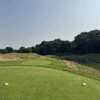
Twin Hills Country Club opened in 1972 and has been owned and operated by the McDermott family since its inception, maintaining a welcoming, family-oriented approach to public golf in eastern Connecticut. The facility has undergone significant upgrades over recent years that have elevated the playing experience considerably. Around 2020, the course added considerable length to holes 3, 15, and 17, installed new bunkers on the 10th hole, and introduced a driving range to complement the existing practice facilities. These improvements prompted the Connecticut State Golf Association to re-rate the course in 2021, reflecting the enhanced strategic demands and improved conditions. The clubhouse underwent a complete renovation during this same period, expanding dining options and adding outdoor pavilion seating that overlooks the 9th and 18th greens. Sprawling across 130 acres of rolling countryside just 20 minutes from Hartford and 15 minutes from the University of Connecticut, the course occupies gently undulating terrain that provides natural movement without excessive elevation change. The routing flows naturally through corridors defined by mature trees and traditional New England stone walls, creating distinct playing corridors without feeling cramped. The layout incorporates three par 5s, five par 3s, and ten par 4s, offering variety in both club selection and strategic approach. The signature aesthetic feature arrives on the par-5 3rd hole, where players cross a picturesque stone bridge over water near the green, complemented by a covered wooden bridge elsewhere on the property. The design philosophy favors strategic positioning over raw power, with bent grass greens that tend toward generous dimensions and subtle internal contours. This is the type of course that rewards players who think their way around rather than simply try to overpower it, appealing to the thoughtful mid-handicapper who appreciates good angles and the occasional risk-reward decision without encountering punitive design elements on every hole.
Strategic Test
| Handicap | Course Strategy |
|---|---|
| High Handicap (18+) | From the Gold tees at 5,055 yards with a slope of 108, the course presents an approachable test that emphasizes accuracy over length. High-handicap players will appreciate fairways that provide adequate landing areas and greens large enough to hold approach shots without requiring tour-level precision. The slope rating indicates a manageable challenge where bogey golf remains achievable with steady play. The par-5 3rd hole stands out as particularly engaging for this player, measuring 463 yards from the Gold tees. This hole features the signature stone bridge and strategic water hazard near the green. The key decision centers on whether to lay up short of the water with a mid-iron or attempt to carry the hazard with the second shot. Most high-handicappers should play a driver off the tee, followed by a fairway wood or hybrid for position, then assess whether conditions favor an aggressive approach or a conservative pitch-and-putt finish. The expansive green provides a generous target for the safer third-shot approach. |
| Mid Handicap (8-18) | Playing from the White tees at 5,788 yards with a 114 slope and 66.7 rating, mid-handicappers face a layout that requires consistent ball-striking and course management without overwhelming length. The moderate slope rating suggests that strategic errors prove more costly than wayward drives, as the design incorporates enough hazards and contours to punish poor decision-making. The par-5 5th hole, measuring 486 yards from the White tees, provides an excellent strategic test for this caliber player. Rated as the number 5 handicap hole, this relatively tight dogleg-left demands thoughtful navigation. The tee shot must find the fairway to set up a legitimate decision on the second shot. Players carrying drives 230-250 yards face the choice of laying up to a comfortable wedge distance or attempting to reach the green in two with a long iron or hybrid. The dogleg presents added complexity, as aggressive angles can shorten the hole but risk finding trouble left. Club selection proves critical, as overshooting layup zones or coming up short on go-for-it attempts leads to difficult recovery positions. |
| Low Handicap (0-8) | From the Blue tees at 6,210 yards with a slope of 118 and rating of 68.3, accomplished players encounter a course that emphasizes precision and local knowledge over championship length. The modest rating suggests scoring opportunities exist for those who execute properly, but the strategic elements and green complexes still demand respect. The par-4 7th hole, measuring 456 yards and rated as the number 1 handicap, represents the course’s most formidable challenge. This lengthy two-shotter requires a well-struck drive of 250-270 yards to leave an approachable angle into the green. The length alone makes par a solid score, but the hole’s difficulty stems from the combination of distance and the need to position the tee ball correctly to open up the green. Low-handicappers face a driver off the tee followed by anything from a 5-iron to a hybrid into the green, depending on wind and firmness. The key lies in avoiding the strategic bunkers and finding the proper tier on what becomes a tricky putting surface. Scoring well at Twin Hills from the tips requires excellent iron play and the ability to read subtle breaks on the large greens rather than relying on overpowering the course. |
Nearby Course Alternatives
Tallwood Country Club in Hebron offers a slightly different proposition approximately 10 minutes southwest of Twin Hills. This public facility stretches to 6,523 yards from the championship tees with a par of 72, playing to a 71.2 rating and 126 slope. Designed by Michael and Karnig Ovian and opened in 1970, Tallwood occupies similar acreage but introduces more pronounced elevation changes throughout the routing. The course has earned recognition for hosting Connecticut State Golf Association championships, speaking to its strategic merit and conditioning standards. The design incorporates bent grass on both greens and fairways, providing a consistent playing surface that differs from Twin Hills’ bluegrass fairways. Tallwood features two substantial putting greens, a chipping area with bunker practice, and a large driving range, giving it one of the state’s most complete public practice facilities. The layout includes several memorable holes, including an island green par 3 on the 8th hole and strong finishing holes that create dramatic scoring swings. The slightly higher slope rating and championship pedigree make Tallwood more appealing to accomplished players seeking a stiffer test and those who prioritize tournament-caliber conditioning. Players who enjoy more dramatic terrain and greater elevation changes will find Tallwood’s topography more engaging than Twin Hills’ gentler contours.
Manchester Country Club in Manchester, located approximately 15 minutes northwest of Twin Hills, represents a semi-private facility with an altogether different architectural heritage. This venerable layout measures 6,339 yards from the tips with a par of 72, rated at 70.6 with a slope of 128. Originally designed by Tom Bendelow and Devereux Emmet in 1917, the course received a substantial redesign from A.W. Tillinghast in 1935, giving it genuine Golden Age pedigree that distinguishes it from most public-access courses in the region. The routing exemplifies what enthusiasts call old New England design, utilizing the natural land with minimal earthmoving and incorporating subtle strategic elements that reward thoughtful play. Bent grass greens feature Tillinghast’s characteristic bunkering style, with well-placed hazards that frame approaches and create multiple angles of attack. The course sits adjacent to a reservoir, lending visual appeal and introducing water on several holes. Manchester enforces a dress code requiring collared shirts and prohibiting jeans, signaling a more traditional club atmosphere. The significantly higher slope rating indicates a more challenging test from similar yardages, with greater premium placed on accuracy and course knowledge. Architecture enthusiasts and students of Golden Age design will find Manchester’s Tillinghast bones far more compelling than Twin Hills’ workmanlike routing, while players seeking a more formal club experience within the public-access realm should investigate Manchester’s semi-private structure.
Final Word
Twin Hills Country Club supports its on-course experience with practice amenities that allow proper preparation before the round. The driving range, added during the recent improvement phase, provides ample space for working through the bag, complemented by a putting green where players can acclimate to the pace of the bent grass surfaces. A chipping area rounds out the short-game practice options, though the facility does not offer extensive bunker practice beyond the chipping zone. The renovated clubhouse creates an inviting gathering place with expanded food and beverage service featuring breakfast and lunch menus. The dining area overlooks the 9th and 18th greens, providing scenic views of the closing holes. Outdoor seating options include both a spacious pavilion and patio areas, allowing golfers to extend their time at the facility in pleasant weather. The 19th hole offers a casual environment for post-round refreshments and socializing. While Twin Hills does not include additional recreational amenities like tennis courts or a swimming pool at the public facility, the focus remains squarely on providing a quality golf experience. What distinguishes Twin Hills within the competitive public golf market in eastern Connecticut centers on the combination of the McDermott family’s genuine hospitality, the recent course improvements that have enhanced both playability and aesthetics, and the strategic interest embedded in a routing that rewards thinking over brute force. The stone bridge on the 3rd hole creates a memorable visual signature, but the true value proposition lies in consistent playing conditions, a welcoming atmosphere free of pretension, and a course that allows mid-handicappers to enjoy their round without constant punishment while still offering enough teeth to keep better players engaged. For golfers seeking an honest test of strategic golf in a relaxed, family-friendly environment, Twin Hills proves its merit through steady improvement and authentic hospitality.

David is an avid golfer who loves walking Connecticut’s courses and playing alongside his family. He’s passionate about golf course architecture and one day hopes to play at Pebble Beach.