Tallwood Country Club is a public par-72 course measuring approximately 6,520 yards from the tips. The course was originally designed in 1970 by Michael and Karnig Ovian and is located in Hebron, Connecticut.
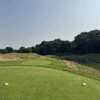
Tallwood Country Club began life in 1970 when founder Mike Ovian opened the first nine holes, with friends and a dedicated Men’s Club helping to complete the second nine in 1974. The Ovian family operated the facility for twenty-five years before selling to the McDermott family in 1995, who undertook numerous renovations to transform the layout into a championship venue, including lengthening the course and upgrading various aspects to make it suitable for tournament play. The facility has since hosted numerous Connecticut amateur and state tournaments, earning the prestigious Walter Lowell Public Course Distinguished Service Award in 2004. In 2021, Concord Golf Properties acquired the property and completed a full clubhouse interior renovation along with additional course improvements. Sprawling across approximately 200 acres of rolling country farmland, Tallwood presents a classic New England landscape with two distinct nine-hole layouts offering varied terrain and vistas. The routing showcases wide fairways framed by wooded edges, with strategic water hazards concentrated on the back nine and moderate elevation changes throughout. The design emphasizes course management and strategic play over raw distance, making it accessible for higher handicappers while still providing sufficient challenge for accomplished players through risk-reward opportunities and well-placed hazards. Players who appreciate thoughtful positioning, variety in shot-making, and traditional parkland golf in a peaceful rural setting will find Tallwood particularly enjoyable.
Strategic Test
| Handicap | Course Strategy |
|---|---|
| High Handicap (18+) | From the white tees at 6,342 yards with a 70.2 rating and 126 slope, this group faces a slope-adjusted playing difficulty that adds approximately 3-4 strokes to their round compared to a scratch golfer. The wide fairways provide generous landing areas that forgive the occasional slice or hook, while the relatively straightforward approach angles keep double bogeys manageable with smart club selection. The par-4 17th hole presents an ideal test for this player, featuring water protecting the green on the approach shot. From the white tees, the hole requires a solid drive followed by a mid-iron approach that must carry the pond fronting the putting surface, demanding accurate distance control and club selection while offering a clear strategic decision between aggressive and conservative play. |
| Mid Handicap (8-18) | Playing from the blue tees at 6,523 yards with a 71.2 rating and 126 slope, mid-handicappers experience a course that rewards consistent ball-striking while punishing wayward shots with strategically positioned hazards. The slope rating indicates this group will play approximately 2-3 strokes above their handicap on a typical day, with scoring opportunities balanced against demanding par-4s and water-protected greens on the back nine. The par-4 17th hole becomes particularly engaging for this skill level, as the ability to shape shots and control trajectory comes into play when attacking the green. The hole demands both length and precision, with the pond creating a natural decision point about whether to take on the flag or play to the fat part of the green based on pin position and wind conditions. |
| Low Handicap (0-8) | From the championship tees at 6,520 yards with a 71.2 rating and 126 slope, accomplished players find a layout that emphasizes accuracy and course management over brute strength. The relatively modest slope suggests this group plays close to their handicap, making red numbers achievable through intelligent positioning and capitalizing on scoring holes like the short par-4s. The par-4 17th hole offers low handicappers the opportunity to demonstrate precision iron play, with the water hazard demanding commitment to the chosen line and the green’s contours requiring careful consideration for birdie putts. The hole’s length and hazard placement create a proper risk-reward scenario where aggressive play can yield birdies but poor execution results in bogeys, making it a genuine strategic test rather than a simple execution hole. |
Nearby Course Alternatives
Blackledge Country Club in Hebron, located just minutes down West Street from Tallwood, offers thirty-six holes of championship golf spread across two distinct layouts. The Anderson’s Glen course, designed by Geoffrey Cornish in 1963 and later refined by Silva and Mungeam, plays to 6,787 yards from the tips with a 72.0 rating and 127 slope, while the newer Gilead Highlands course designed by Mark Mungeam opened in 2000 with a more modern aesthetic. Blackledge occupies a similar footprint in terms of acreage but provides significantly more elevation change and dramatic terrain features compared to Tallwood’s rolling farmland character. The Anderson’s Glen layout features corridor-style holes carved through mature woodlands with pronounced topography creating uneven lies and demanding approach shots to elevated greens, establishing a more traditional New England tree-lined parkland experience. Cornish’s architectural pedigree as a Canadian designer trained in the Scottish tradition brings strategic bunkering and green complexes that reward proper angles of approach, while the course’s reputation as one of Connecticut’s finest public facilities draws accomplished players seeking championship conditions. The Gilead Highlands course offers contemporary design elements with wider fairways and more dramatic water features than its older sibling, providing variety for players who want to experience both classic and modern course architecture. Players who appreciate elevation changes, mature tree-lined corridors, and a more rugged topographical challenge will find Blackledge’s offerings a compelling alternative to Tallwood’s gentler, more open character.
Timberlin Golf Club in Berlin, approximately 25 minutes west of Tallwood, presents another municipal option with championship credentials and a different strategic profile. The Al Zikorus design from 1970, later enhanced by Stephen Kay and Doug Smith in 2006, stretches to 6,733 yards from the tips with a 72.2 rating and 129 slope, making it slightly more demanding than Tallwood from a pure difficulty standpoint. Nestled along the base of Ragged Mountain on rolling terrain, Timberlin occupies a similar acreage footprint but incorporates more pronounced elevation changes and dramatic vistas of the surrounding farmland and mountain backdrop. The 2006 renovation project brought significant enhancements including redesigned and additional bunkers, fairway recontouring, and a modern irrigation system, elevating conditioning standards to rival private clubs in the region. Timberlin’s strategic merit lies in its fairway bunkering, a feature many public courses lack, which creates genuine positional advantage for players who can shape shots and avoid these hazards off the tee. The greens feature moderate but not severe slopes, with frequent greenside bunkering and mounding demanding precise short game skills, while the back nine presents a particularly stern test with consecutive long, difficult holes that can derail a good round. Players seeking a tougher slope rating, more dramatic elevation changes, superior bunker aesthetics, and championship conditions will find Timberlin an excellent complement to Tallwood, especially those in the mid-to-low handicap range who want to test themselves against a layout with slightly more teeth and strategic complexity.
Final Word
Beyond the eighteen holes, Tallwood offers one of Connecticut’s premier public practice facilities, featuring a large driving range, two expansive putting greens, and a dedicated chipping and bunker practice area with a target green, providing players ample opportunity to work on all aspects of their game before the round. The practice areas receive the same attention to conditioning as the course itself, with well-maintained turf and clear yardage markers allowing for productive range sessions. PGA professionals on staff offer private and group instruction along with multi-day instructional camps, catering to players seeking to improve their skills in a structured environment. The clubhouse underwent complete interior renovation in 2021 under new ownership by Concord Golf Properties, modernizing the facility while maintaining the welcoming atmosphere that has characterized Tallwood for decades. The pro shop carries essential equipment and apparel, while the restaurant provides a comfortable setting for post-round meals and refreshments with views overlooking the course. What distinguishes Tallwood from other public facilities in the region is its remarkable balance between challenge and playability, offering wide fairways and strategic interest without overwhelming higher handicappers while still providing enough teeth to engage accomplished players through risk-reward opportunities and well-conceived hole designs. The course’s designation as a tournament venue for Connecticut’s top amateur events demonstrates its championship credentials, while the peaceful rural setting on over 200 acres ensures an escape from daily pressures. Tallwood proves its value not through architectural pedigree or dramatic landforms but through consistently delivering an honest test of golf in excellent condition with first-rate practice facilities and tournament-quality amenities, making it a destination worthy of regular play for those seeking a traditional New England public golf experience without pretension or gimmickry.

David is an avid golfer who loves walking Connecticut’s courses and playing alongside his family. He’s passionate about golf course architecture and one day hopes to play at Pebble Beach.