Old Lyme Country Club is a private par-69 course measuring approximately 5,660 yards from the tips. The course was originally designed in 1919 by Al Zikorus and is located in Old Lyme, Connecticut.
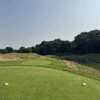
Founded as a club in 1916, Old Lyme Country Club opened its golf course three years later in 1919 under the design of Al Zikorus. The layout has remained largely true to its original character over the past century, preserving the classic nine-hole configuration that defined early Connecticut golf. Played twice around for a full 18-hole experience, the course occupies approximately 50 to 60 acres of rolling Connecticut terrain along the southeastern shoreline. The property features significant elevation changes throughout, with tree-lined corridors and narrow fairways that demand precision over power. Small, undulating greens require thoughtful approach work and putting touch. The design philosophy emphasizes traditional shot values with strategic bunkering and natural hazards that punish wayward shots. This layout appeals most to players who appreciate classic architecture, value course management over distance, and enjoy the intimacy of a nine-hole routing where locals can loop quickly for weekday rounds. The hilly topography creates variety in stance and lie, rewarding those comfortable with uneven terrain and creative shotmaking.
Strategic Test
| Handicap | Course Strategy |
|---|---|
| High Handicap (18+) | Players from the forward tees at 4,944 yards face a par-70 layout with a slope rating of 117 and course rating of 68.6 for women. The abbreviated yardage makes reaching greens in regulation more achievable, though the narrow fairways and elevation changes still demand accuracy. The slope indicates approximately 15 to 17 strokes above par for an 18-handicap playing to their ability. Hole 8, a par-4 measuring 400 yards from the blue tees and approximately 350 yards from forward markers, represents an excellent strategic challenge. This hole requires a well-positioned drive to set up an approach into a green complex that likely features bunkering or contour. For higher handicappers, club selection off the tee becomes paramount, with a fairway wood or hybrid potentially offering better control than driver. The approach demands accuracy as the green size and surrounding hazards leave little margin for error. |
| Mid Handicap (8-18) | From the white tees at 5,642 yards, mid-handicappers encounter a par-70 course with a slope of 126 and rating of 67.2. This combination suggests 10 to 12 strokes over par for a mid-handicap player executing solid ball-striking. The routing rewards strategic positioning and course management, as the narrow fairways penalize off-line drives while the small greens demand precision on approaches. Hole 2, playing 381 yards from the blue tees and rated as the number one handicap hole, offers the quintessential test for this skill level. The length combined with the difficulty rating suggests hazards, doglegs, or challenging green complexes that require two quality shots. Mid-handicappers must select the proper line off the tee, likely requiring a long iron or fairway wood for position, then execute a mid-to-short iron approach into what is presumably a well-defended green. Par here represents an excellent score. |
| Low Handicap (0-8) | Championship tees stretch to 5,660 yards with a slope of 127 and rating of 67.3. While the yardage may appear modest by modern standards, the slope rating reveals the course defends itself through tight playing corridors, elevation, and green complexes rather than length. Skilled players can expect to shoot approximately 2 to 6 over par. The premium lies in accuracy, trajectory control on approaches to elevated or contoured greens, and capitalizing on birdie opportunities on the par-5 sixth hole at 386 yards. This reachable par-5 from the blue tees demands precise execution, as the hole likely features strategic hazards guarding the green. Low-handicappers must decide whether to attack in two shots or lay up based on pin position and conditions. The risk-reward calculation typifies how the course challenges better players through strategic design rather than brute length. |
Nearby Course Alternatives
Black Hall Club in Old Lyme stands as the premier private facility in southeastern Connecticut, offering an 18-hole championship layout measuring 6,625 yards from the tips. Designed by the legendary Robert Trent Jones Sr. and opened in 1967, Black Hall represents a significant architectural pedigree with a par-71 routing that carries a course rating of 73.2 and slope of 141. The facility occupies substantially more acreage than Old Lyme Country Club, providing a more expansive feel with wider corridors framed by mature trees. The Jones design philosophy emphasizes strategic bunkering, dramatic greenside shaping, and elevated putting surfaces that demand precise iron play. Black Hall has hosted numerous Connecticut state championships, cementing its reputation as a rigorous test that rewards shotmaking over distance. The course features bent grass greens and fairways maintained to championship standards year-round. Located just minutes south of Old Lyme Country Club on Buttonball Road, Black Hall provides an ideal comparison for members seeking a more challenging layout with greater length and modern conditioning. Players who prefer championship-caliber tests with tournament history, appreciate strategic bunkering schemes, and value the prestige of Robert Trent Jones Sr. architecture will find Black Hall an exceptional alternative. The additional 1,000 yards and significantly higher slope rating make this the destination for low-handicap players seeking to test their games against one of Connecticut’s top-ranked private courses.
Great Neck Country Club in Waterford, approximately 10 minutes southeast of Old Lyme, delivers an 18-hole private experience measuring 6,448 yards with a par-71 routing. Originally designed by William G. Robinson in 1925, the course received thoughtful restoration work from Ron Forse and Mark Mungeam in 2003, preserving classic design principles while modernizing playing characteristics. The layout carries a course rating of 71.2 and slope of 127, positioning it between Old Lyme and Black Hall in difficulty. Great Neck occupies rolling coastal terrain with similar acreage to Black Hall, featuring the strategic bunkering and undulating greens characteristic of Golden Age architecture. The Forse-Mungeam renovation focused on restoring original design intent while improving drainage and turf quality, resulting in bent grass fairways and blue grass greens that provide exceptional playing surfaces. The clubhouse overlooks the course with views toward Long Island Sound, offering an elegant yet welcoming atmosphere. Great Neck benefits from its coastal location with gentle ocean breezes that add strategic interest to club selection throughout the round. Players who appreciate Golden Age restoration work, prefer moderate length that emphasizes accuracy and creativity over power, and value year-round playability in coastal conditions will find Great Neck particularly appealing. Mid-to-high handicappers who want more length than Old Lyme without the severity of Black Hall will appreciate Great Neck’s balanced challenge and classic design features that reward strategic play.
Final Word
Old Lyme Country Club provides members with comprehensive practice facilities including a driving range with three practice tees, a putting green, and areas for short game work. These amenities allow golfers to refine all aspects of their games before heading to the course or after completing their rounds. Beyond golf, the club distinguishes itself as a true family destination with four har-tru tennis courts maintained for year-round play, two platform tennis courts with a recently renovated warming hut, and an exceptional swimming facility. The pool complex includes a main pool with designated lap lanes for the club swim team, a separate wading pool for younger children, and a snack bar that operates throughout the summer season from Memorial Day through Labor Day. The clubhouse serves as the social hub with the formal dining room, the Grill Room featuring rotating installations from local artists and a welcoming fireplace, and the beloved Mahogany Ridge bar area. Dining services run Wednesday through Saturday with the Grill Room available throughout the day, complemented by Sunday brunch. The club fosters community through extensive programming including duplicate bridge, Chicago bridge, mah jongg groups, a book club, and a club chorus that performs several times annually. Musical events and lectures occur throughout the year, while comprehensive junior programs introduce children to golf, tennis, and swimming. What makes Old Lyme Country Club truly special is its member-owned, member-managed structure that creates genuine ownership and pride throughout the membership. The club celebrates over a century of tradition while maintaining an unpretentious, family-oriented atmosphere that welcomes players of all skill levels. For those seeking an intimate nine-hole experience with classic architecture, extensive non-golf amenities, and a close-knit community, Old Lyme Country Club proves its enduring value through its commitment to traditional golf and family recreation in a spectacular Connecticut shoreline setting.

David is an avid golfer who loves walking Connecticut’s courses and playing alongside his family. He’s passionate about golf course architecture and one day hopes to play at Pebble Beach.