

Green Woods Country Club is a semi-private par-35 course measuring approximately 2,980 yards from the tips. The course was originally designed in 1903 and is located in Winsted, Connecticut.
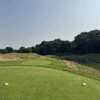
Green Woods Country Club stands as one of only three ten-hole golf courses in the United States, an architectural curiosity that distinguishes it immediately from the standard eighteen-hole format. The original architect remains unknown, though Albert Zikorus undertook a significant remodel in 1963 that shaped much of what exists today. The club celebrated its 122nd anniversary in 2025, testament to more than a century of continuous play in the Berkshire Hills region of Litchfield County. The layout occupies an estimated 80-100 acres of rolling woodland terrain, with the routing making excellent use of natural elevation changes throughout the property. Mature trees frame nearly every fairway corridor, creating a traditional parkland aesthetic that feels both intimate and expansive. The tenth hole, played on a second loop from the same teeing ground as the fifth, transforms the nine-hole layout into a complete eighteen-hole round with alternate tee positions that provide fresh perspectives and varied yardages. The design philosophy emphasizes precision over power, with aggressive green complexes featuring pronounced falloffs, liberal greenside bunkering, and push-up surfaces that reward thoughtful approach play. Players who appreciate strategic shot-making, ground game options around greens, and fast, undulating putting surfaces will find Green Woods particularly engaging. The combination of moderate length, demanding green sites, and rolling topography creates a layout that favors the thinking player capable of executing a variety of shots and managing slopes both in the fairways and around the greens.
Strategic Test
| Handicap | Course Strategy |
|---|---|
| High Handicap (18+) | From the forward tees at 5,114 yards, the course rating sits at 63.2 with a slope of 117, suggesting a more manageable challenge for developing players. The generous fairway widths provide margin for error off the tee, though the tree-lined corridors punish significant misses. The real test emerges around the greens, where steep falloffs and collection areas demand solid chipping technique. The par-3 third hole at approximately 150 yards from the gold tees offers an ideal strategic exercise for this handicap range. The hole plays downhill to a small green defended by bunkers, requiring accurate distance control with a mid-iron. Players who flight the ball too high risk being caught by wind, while those who come up short face difficult recovery shots from below the putting surface. Club selection becomes paramount, with many players finding success taking one less club and trusting the downhill trajectory. |
| Mid Handicap (8-18) | The white/blue combination tees at 5,886 yards present a course rating of 68.9 and slope of 128, indicating a formidable challenge relative to the modest yardage. This elevated slope reflects the difficulty of the green complexes and the premium placed on accuracy over distance. Positional play becomes essential, as many approach shots require specific angles to access certain pin locations. The par-4 second hole at 502 yards from the blue tees demands two quality strikes to reach the putting surface. The hole plays alongside the road as a dogleg with a large fairway bunker guarding the left side of the driving zone. Players must navigate the tee shot past the centerline hazard, then execute a precise approach to a green featuring significant slopes. The elevated green complex and surrounding contours make distance control critical, with players often choosing between aggressive carries and conservative layup positions based on their lie in the fairway. |
| Low Handicap (0-8) | From the blue tees at 5,960 yards, the course rating reaches 68.9 against par-70 for eighteen holes, with the demanding 128 slope indicating substantial challenge despite modest yardage. Accomplished players face exacting demands around and on the greens, where local knowledge and precise speed control separate good scores from great ones. The routing includes several cerebral holes where strategic options present themselves based on hole locations and wind conditions. The par-4 sixth hole at 367 yards from the blue tees exemplifies the design’s strategic depth. This dogleg-right features a downhill approach to a narrow, elongated, raised green that appears almost fortress-like in its defense. The fairway narrows through the landing area with scattered trees and woodland flanking both sides. Better players must decide whether to challenge the corner with driver for a short-iron approach or lay back with a fairway wood to ensure optimal positioning. The green accepts only the most precisely struck approaches, with mounds and slopes creating wickedly difficult recovery shots for anything missing the putting surface. The sophisticated green contouring rewards players who can work the ball both ways and manage trajectory. |
Nearby Course Alternatives
Fairview Farm Golf Course in Harwinton presents an entirely different architectural proposition approximately 20 minutes southeast of Green Woods. This par-72 championship layout stretches to 6,660 yards from the blue tees with a rating of 71.7 and slope of 125, occupying a scenic 180-acre property in the Litchfield Hills. The course opened in 2000 under the design direction of Dick Christian and owner Bob Ferrarotti, representing a modern parkland layout that capitalizes brilliantly on dramatic elevation changes and natural terrain features. The routing tumbles through valleys and climbs steep hillsides, creating a sequence of compelling holes where doglegs weave around copses and wooded areas. Strategic elements include varied fairway bunkering, several small ponds, massive mounds that frequently border fairways and greens, and sophisticated greenside slopes and swales deployed throughout. The design employs push-up green construction with pronounced falloffs, demanding accomplished short game skills around the putting surfaces. Fairway corridors tend toward the narrow side, particularly on holes like the first and eighth where dense tree stands flank both sides, requiring accurate driving throughout the round. The conditioning typically ranks among the finest in the region, with bent grass greens and bluegrass fairways maintained at championship standards. Players who favor dramatic elevation changes, visually striking hole presentations, and a more contemporary design aesthetic will find Fairview Farm compelling, particularly those in the mid-to-low handicap range who can navigate tighter driving corridors and appreciate complex green surfaces.
Stonybrook Golf Course in Litchfield offers another exceptional nine-hole experience approximately 18 minutes south of Green Woods. The layout measures 2,986 yards from the blue tees at par-35, with a rating of 35.8 and slope of 123, occupying what appears to be 60-70 acres of rolling terrain just outside Litchfield Green. Albert Zikorus designed the course in 1966, creating a layout that shares philosophical similarities with his 1963 remodel of Green Woods, particularly in the aggressive green complexes and strategic bunkering schemes. The compact property features similar topographical character with moderate hills and mature tree-lined fairways, though Stonybrook presents an even more condensed routing that demands variety in shot-making. The design utilizes rolling fairways with uneven lies, small and exceptionally fast greens that require precise distance control, and strategic placement of hazards including multiple water features. Course conditions consistently draw praise, with the maintenance standards rivaling or exceeding many private clubs in the state. The seventh hole, a 385-yard par-4 that plays as the course’s most difficult, features a narrow fairway with trouble flanking both sides and demands two quality strikes to reach a challenging green surface. The layout rewards position players and those with refined short games, as the green speeds and contours create substantial putting challenges. Players who appreciate pristine conditioning, fast green speeds, and a design that emphasizes strategic thinking over raw power will find Stonybrook particularly appealing, especially mid-handicappers who enjoy testing their complete game on a course where local knowledge provides significant advantage.
Final Word
Green Woods Country Club provides excellent practice facilities that complement the strategic demands of the golf course. The property features an on-site driving range with mat hitting stations, allowing players to work on their full swing before or after rounds. A dedicated putting green enables practice on surfaces similar in speed and character to those encountered on the course, particularly valuable given the demanding nature of the green complexes throughout the layout. While information about specific chipping or short-game practice areas remains limited, the overall practice infrastructure supports player development across key skills. Beyond golf, the facility operates as a semi-private club with significant banquet and social capabilities. The post-modern clubhouse design presents an attractive structure that houses a well-appointed pro shop stocked with equipment, apparel, and accessories. The on-site restaurant and bar serve members and public guests during the golf season, with both indoor dining and patio seating that overlooks the combined ninth and eighteenth green. The outdoor patio provides particularly appealing views of the finishing holes while creating a relaxed atmosphere for post-round refreshments. The banquet facilities accommodate weddings, corporate outings, anniversary parties, and various social events throughout the year, adding revenue streams beyond daily fee and membership play. What makes Green Woods truly special stems from its historical continuity and architectural rarity as one of three ten-hole courses in America. The design demonstrates how strategic interest need not correlate with excessive length, instead finding challenge through sophisticated green complexes, thoughtful use of terrain, and routing that creates variety across multiple loops. The commitment to championship conditioning elevates the entire experience, with groomed tees, fairways, greens, and bunkers placing the course among Connecticut’s best-maintained public-access facilities. For players seeking a traditional test of golf that rewards precision, local knowledge, and strategic thinking, Green Woods proves its value through both historical significance and contemporary excellence in every aspect of course presentation.

David is an avid golfer who loves walking Connecticut’s courses and playing alongside his family. He’s passionate about golf course architecture and one day hopes to play at Pebble Beach.





I’ve played GCC many times and it never disappoints. The course is consistently in pristine condition from tee to green. The greens are fast and provide a great challenge for any skill level.