D. Fairchild Wheeler Golf Course – Red is a public par-72 course measuring approximately 6,568 yards from the tips. The course was originally designed in 1934 by Robert White and is located in Fairfield, Connecticut.
The Red Course at D. Fairchild Wheeler shares the same remarkable Depression-era heritage as its sibling Black Course, emerging from the ambitious Works Progress Administration project that transformed rocky farmland into Connecticut’s first municipal 36-hole complex. Park commissioner D. Fairchild Wheeler donated the land that once housed his family’s paper mill to the city of Bridgeport, and Scottish architect Robert White orchestrated the transformation alongside more than a thousand WPA workers who cleared and shaped the terrain through 1934. The facility originally operated as four distinct nine-hole courses capable of accommodating nearly a thousand players during busy weekends, democratizing access to golf during an era when the game remained largely the province of country club members. Over subsequent decades, the layout was reorganized into two full 18-hole courses, with the Red Course representing the more forgiving and open alternative to the tighter Black routing. While the Black Course received significant bunker renovations in 2024, the Red Course has undergone its own series of improvements focused on conditioning and playability enhancements. The course has benefited from upgraded fairway maintenance practices and greens improvements that have elevated the playing experience, though it retains a more rustic character compared to premium municipal facilities in the region.
The Red Course occupies an estimated 150 to 175 acres adjacent to the Black Course, featuring a routing that emphasizes wider corridors and more open playing areas across former farmland terrain. The topography presents a distinct personality compared to its sibling layout, with both nines beginning and ending with pronounced elevation changes while the middle sections play across relatively flat plains that once served agricultural purposes. This creates an interesting strategic dynamic where wind becomes the primary defensive element on the flatter holes, while the elevated bookend holes introduce club selection challenges and dramatic elevation shifts. The routing follows a straightforward out-and-back configuration that allows golfers to attack with driver on approximately seven of nine holes per side, rewarding distance while still demanding accuracy to avoid the tree lines that frame the generous fairways. The design philosophy emphasizes accessible golf for mid-to-high handicap players who seek room to swing freely without constant fear of lost balls, while the undulating greens provide sufficient challenge to prevent the layout from playing too easily. Players who prioritize scoring opportunities and prefer open sightlines will appreciate the Red Course more than those seeking tight tree-lined challenges, as the wide fairways encourage aggressive play while the green complexes defend par through internal contour and break complexity. The walking experience proves manageable for players of reasonable fitness, with the elevation changes at holes one, nine, ten, and eighteen representing the primary cardiovascular demands while the flatter middle sections allow for recovery between climbs.
Strategic Test
The Red Course presents strategic examination primarily through green reading and iron play precision rather than positional warfare off the tee. The wider fairways create fewer meaningful decisions about club selection from the tee boxes, as most players can confidently reach for driver without significant risk of penalty beyond recovering from rough or tree lines. Instead, the course defends itself through approach shot demands and putting complexity, where the undulating greens require careful attention to break and speed to avoid three-putt scenarios. The open nature of the layout introduces wind as a significant variable on the flatter middle holes, forcing players to account for both distance control and trajectory management when the prevailing breezes pick up across the exposed plain. The green complexes display appropriate internal movement without crossing into extreme undulation, rewarding players who can flight irons to specific quadrants while punishing those who miss on the wrong tier. High handicap players will find the Red Course more forgiving than the Black Course due to the generous landing areas and reduced penalty for wayward drives, though the putting surfaces still demand respect and careful green reading. The course rating and slope metrics illuminate how the Red Course challenges different skill levels and influences scoring patterns across the handicap spectrum.
The course rating represents the expected score for a scratch golfer under normal conditions, while the slope rating measures relative difficulty for bogey golfers compared to scratch players on the standard 55 to 155 scale. The Red Course carries a rating of 71.3 and a slope of 124 from the championship tees, indicating the layout plays slightly more difficult than its par 72 suggests for accomplished players while presenting moderate challenges for higher handicappers. The slope of 124 sits modestly above the standard 113 benchmark, reflecting the course’s balanced difficulty that doesn’t escalate dramatically for players who struggle with consistency. This relatively modest slope compared to championship-caliber designs indicates the strategic emphasis on scoring rather than survival, where position matters less than pure ball-striking and green reading skills. High handicap players encounter genuine scoring opportunities throughout the round thanks to the forgiving fairways and multiple risk-reward positions, though the green contours can inflate scores through three-putt bogeys if approach shots leave difficult reads. Mid-handicap players face interesting strategic calculations about when to attack pins and when to play to safe zones, as the wide fairways encourage aggressive driving while the undulating greens punish careless approach play. Low handicap players must respect the putting surface complexity and wind management demands despite the forgiving driving corridors, as scoring well requires precise iron play and confident putting on surfaces that can run away from the hole when missed on the wrong side.
| Handicap | Course Strategy |
|---|---|
| High Handicap (18+) | From the white tees at approximately 6,126 yards with a slope of 122 and rating near 70, the course offers manageable distance and generous landing areas that reduce penalty for offline drives. Focus on keeping the ball in play with reliable fairway woods or hybrids rather than forcing driver on every hole, though the wide corridors make aggressive play more viable than on tighter layouts. Approach shots should target the center of greens to avoid dealing with severe tier changes and breaking putts, accepting two-putt pars as excellent outcomes on this layout. The flat middle sections on both nines provide legitimate birdie opportunities when wind conditions cooperate, while the elevated holes at one, nine, ten, and eighteen demand extra club and careful distance management. Expect the slope to add approximately 4 to 6 strokes to the base rating, resulting in target scores in the low-to-mid 90s for golfers playing to their handicap. |
| Mid Handicap (8-18) | Playing from the white or blue tees between 6,126 and 6,568 yards provides appropriate challenge while maintaining scoring potential on the flatter sections. The slope of 122 to 124 indicates the course will play roughly 3 to 5 strokes more difficult than the rating suggests for mid-handicap players, making green reading and approach shot precision crucial for competitive scores. Strategic decisions center on pin locations and wind conditions rather than tee shot positioning, as the wide fairways minimize driving penalties and allow players to focus mental energy on iron play. The par-5s become reachable in two for longer hitters, introducing genuine risk-reward calculations about whether to attack or lay up for controlled third shots. Wind management becomes critical on the exposed flat sections, where club selection errors can leave difficult two-putt scenarios on the undulating greens. Target scoring for this range should cluster around 82 to 92 depending on handicap level and putting performance. |
| Low Handicap (0-8) | The championship tees at 6,568 yards with a slope of 124 and rating of 71.3 create a scoring opportunity layout that rewards aggressive play and confident putting. The wider fairways remove driving anxiety and allow players to attack with driver on most holes, shifting strategic focus entirely to approach shots and green reading. Birdie opportunities emerge consistently throughout the round for players who can control iron trajectory in wind and read the break complexity on the undulating greens. The elevation changes at holes one, nine, ten, and eighteen require precise distance control and club selection to account for uphill and downhill plays. Wind management separates good scores from great ones on the exposed flat sections, where trajectory control and proper club selection become paramount. Expect rounds in the low-to-mid 70s range with competitive scores in the high 60s to low 70s achievable when putting well and managing wind effectively. |
The 18th hole encapsulates the Red Course’s strategic philosophy and serves as a fitting conclusion that tests elevation management and precise approach play. This closing par-4 plays as one of the bookend elevation holes, featuring a significant uphill climb from tee to green that affects both distance perception and club selection throughout. The tee shot plays to a relatively wide fairway corridor that encourages aggressive driving, with trees framing both sides approximately 30 to 40 yards off the centerline but minimal punishment for slight misses into the light rough. Players who position drives in the fairway face an uphill approach of approximately 150 to 190 yards depending on tee position, where the elevation change can affect club selection by two to three clubs and requires confident commitment to reach the putting surface. The green complex sits elevated and exposed to wind, with internal contours that reward approaches landing in the correct quadrant while punishing players who miss on the wrong tier. High handicap players should focus on finding the fairway with a reliable fairway wood or hybrid, accepting that the uphill approach may require a full wood or hybrid to reach the green and recognizing that par represents an excellent finishing score. Mid-handicap players face the decision of whether to attack aggressively off the tee for a shorter uphill approach or lay back to a comfortable distance, with the safe play often yielding better outcomes than forcing a heroic drive. Low handicap players must execute a precise drive to the ideal fairway position and flight a controlled mid-iron uphill while accounting for wind exposure, as aggressive pins become difficult to attack without proper position and trajectory control. The hole’s design emphasizes the Red Course’s accessible character while still demanding respect for elevation change and green reading, making it a strategic examination that rewards thoughtful play without excessive punishment for imperfect execution.
Nearby Course Alternatives
H. Smith Richardson Golf Course in Fairfield delivers one of the premier municipal golf experiences in southwestern Connecticut, located just five minutes to the south of D. Fairchild Wheeler along Morehouse Highway. Designed by Hal Purdy and later refined by architect Stephen Kay, the course opened in 1972 and stretches to 6,676 yards from the championship tees for a par-72 layout with a rating of 72.1 and slope of 126. The property occupies approximately 175 acres of rolling terrain that features more dramatic elevation changes than the Red Course, with distinct personality differences between the front and back nines that test every club in the bag. The front nine plays tighter through tree-lined corridors that demand accuracy off the tee, while the back nine opens up with wider fairways but introduces significantly more elevation change that affects club selection and creates visually intimidating approaches to elevated green complexes. The conditioning typically runs a notch higher than D. Fairchild Wheeler, with bentgrass greens that roll faster and truer throughout the season and maintained at speeds that challenge even accomplished putters. The strategic architecture emphasizes thoughtful course management over raw distance, with large undulating greens that reward proper approach angles and punish players who leave themselves on the wrong tier. Players who prefer tighter tree-lined challenges and faster green speeds will find H. Smith Richardson more appealing than the open Red Course, particularly low-to-mid handicap golfers who appreciate precision demands and elevation variety. The facility also benefits from superior practice amenities including a well-maintained driving range and teaching programs led by accomplished PGA professionals.
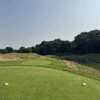
Longshore Golf Course in Westport offers a distinctly different experience approximately 20 minutes west along the Connecticut coastline, emphasizing strategic short-game demands over length. Originally designed by Orrin E. Smith in 1922 and renovated by architect John Harvey in 2007, this compact layout measures just 5,895 yards from the championship tees for a par-69 test with a rating of 68.3 and slope of 121. The property occupies roughly 125 acres of relatively flat terrain that was transformed from an onion farm into what many consider the most sporting sub-6,000-yard course in Fairfield County. The routing features tree-lined fairways reminiscent of Augusta National’s entry corridor, with extensive bunkering around well-contoured greens that demand precision on approach shots despite the shorter distances. Recent renovations included significant bunker reconstruction that enhanced both drainage and aesthetic appeal, though some traditionalists lament the removal of native sea grass that once gave the property more coastal character. The course sits adjacent to Long Island Sound and features scenic water views from several holes, adding to the overall experience without bringing water directly into play as a hazard. Strategic interest derives primarily from the well-bunkered green complexes and the premium placed on accurate iron play, as players who miss greens face challenging recoveries from tight lies around firm putting surfaces. The course occupies a unique niche as a walkable, strategic layout that emphasizes precision over power, making it ideal for players who enjoy positional golf and creative shot-making rather than lengthy carries and heroic drives. Players seeking a shorter, more technical challenge will find Longshore’s premium on iron play and green reading more satisfying than the Red Course’s wide-open scoring opportunities, though the compact yardage makes it less suitable for players who prioritize driver usage and distance-oriented play.
Final Word
Beyond the two championship courses, D. Fairchild Wheeler offers practice amenities that support player development and pre-round warmup routines. The facility features a spacious grass driving range that accommodates full swings with every club, allowing players to work on distance control with driver through short irons in an open environment without the constraints typical of mat-based ranges. The range operates with automated ball-dispensing machines that accept both cash and credit cards, though availability can vary during peak weekend mornings when leagues and tournaments restrict access. A practice putting green sits adjacent to the pro shop and provides adequate space for reading breaks and working on stroke mechanics before heading to the first tee, though the surface sometimes runs at different speeds than the course greens themselves. The facility also maintains relationships with respected teaching professionals including LPGA instructor Liz Gentile and PGA professionals who conduct clinics and individual lessons throughout the season. The pro shop stocks essential equipment and apparel for players who need last-minute items, though the selection remains modest compared to higher-end private facilities. Post-round dining options center around Vazzy’s 19th Hole and Tommy’s Grill, which serve as the social hub for golfers finishing their rounds and provide a welcoming atmosphere for reviewing scorecards over reasonably priced food and beverages. The grille room features multiple flat-screen televisions and offers happy hour pizza specials that attract both golfers and area residents, while the full menu provides more substantial dining options for those seeking complete meals. The facility also serves as the home base for the First Tee of Connecticut program, which introduces junior golfers to the game and emphasizes character development alongside swing mechanics, adding a community-oriented dimension to the property’s mission.
The Red Course at D. Fairchild Wheeler proves its worth as an accessible scoring opportunity layout that honors its Depression-era democratic origins while providing genuine challenge through green complexity and wind exposure. What distinguishes this layout from its tighter Black sibling is the emphasis on approach shot precision and putting skill rather than positional warfare and driving accuracy. The routing flows naturally across varied terrain that presents wide corridors for aggressive play while defending par through undulating greens that punish careless iron play and poor green reading. The open nature of the layout creates a welcoming environment for higher handicappers seeking room to swing freely while still providing sufficient teeth through green contours to keep accomplished players engaged and thinking throughout the round. The combination of generous fairways, wind exposure on flat sections, and elevation changes at key bookend holes creates strategic variety without resorting to artificial difficulty or excessive penalty for offline shots. The combination of reasonable rates, quicker pace of play than the Black Course, and scoring opportunities makes this a compelling option for golfers in southwestern Connecticut who appreciate accessible golf that emphasizes ball-striking and green reading over positional strategy. The Red Course may not possess the elite conditioning or dramatic aesthetics of higher-priced private clubs, but it delivers authentic scoring golf that rewards aggressive play and punishes three-putt carelessness in appropriate measure. For players who understand that great golf experiences don’t require pristine conditions or country club amenities, D. Fairchild Wheeler’s Red Course offers a thoroughly satisfying round that proves municipal golf can still provide genuine enjoyment and memorable scoring opportunities worth pursuing repeatedly.

David is an avid golfer who loves walking Connecticut’s courses and playing alongside his family. He’s passionate about golf course architecture and one day hopes to play at Pebble Beach.